Horace 1.11
dederint: 3rd person plural perfect active subjunctive of do "to give"
temptaris: 2nd person singular present passive indicative of tempto "to tempt"
erit: 3rd person singular future active indicative of sub "to be"
tribuit: 3rd person singular present active indicative of tribuo "to tribute"
debilitat: 3rd person singular present active indicative of debileo "to debilitate"
fugerit: 3rd person singular perfect active subjunctive of fugio "to flee"
carpe: 2nd person singular present active imperative of carpo "to seize"
Horace 1.37
est: 3rd person singular present active indicative of sum "to be"
erat: 3rd person singular imperfect active indicative of sum "to be"
depromere: present active infinitive of depromo "to depromote"
parabat: 3rd person singular imperfect active indicative of parabo
sperare: present active infinitive of spero "to hope"
minuit: 3rd person singular present active indicative of minuo "to diminish"
redegit: 3rd person singular present active indicative of redigo
remis: 2nd person singular present active indicative of remo
daret: 3rd person singular imperfect active subjunctive of do "to give"
expauit: 3rd person singular perfect active indicative of exparo
reparauit: 3rd person singular perfect active indicative of reparo
tractare: present active infinitive of tracto
conbiberet: 3rd person singular imperfect active subjunctive of conbibo
Catullus 3
est: 3rd person singular present active indicative of sum "to be"
amabat: 3rd person singular imperfect active indicative of amo "to love"
erat: 3rd person singular imperfect active indicative of sum "to be"
norat: 3rd person singular imperfect active indicative of novi "to know"
mouebat: 3rd person singular imperfect active indicative of mouebo
pipiabat: 3rd person singular imperfect active indicative of pipio "to pipe"
negant: 3rd person plural imperfect active indicative of nego "to negate"
sit: 3rd person singular present active subjunctive of sum "to be"
deuoratis: 2nd person plural imperfect active indicative of deuro
rubent: 3rd person plural present active indicative of rubeo "to redden"
Catullus 7
sint: 3rd person plural present active subjunctive of sum "to be"
iacet: 3rd person singular present active indicative of iacio
ueteris: 2nd person singular present passive subjunctive of veto "to forbid"
tacet: 3rd person singular present active indicative of taceo "to quiet"
uident: 3rd person plural present active indicative of uido
basiare: present active infinitive of basio "to kiss"
satis: 2nd person singular present active indicative of satio "to satisfy"
possint: 3rd person plural present active subjunctive of possum "to be able"
Catullus 10
duxerat: 3rd person singular present active indicative of duco "to lead"
est: 3rd person singular present active indicative of sum "to be"
esset: 3rd person singular imperfect active subjunctive of edo "to eat"
Friday, May 28, 2010

Wednesday, May 26, 2010
To the incoming students of Latin 3 students
dear new Latin 3 students,
Surprise!! Your currently doing Latin for your third year. I hope you enjoy it. Here are some tips for you to survive the year:
1. When Wojo asks if you want to bring in music to play in class, put some really wierd experimental music on your iPod, but try not to play any Butthole Surfers.
2. Ask for more Catullus and less Horace. This year I felt that we spent too much time on Horace, and by the time we got to Catullus I felt like we missed out. Catullus is pretty funny, so the more the better.
3. If you use delicious, book mark a buttload of stuff, even if you didn't do a blog post on them. For our midterm, we were only allowed to use stuff that we bookmarked, so in particular you should bookmark stuff that you feel you may have to use for both the midterm and the final.
Surprise!! Your currently doing Latin for your third year. I hope you enjoy it. Here are some tips for you to survive the year:
1. When Wojo asks if you want to bring in music to play in class, put some really wierd experimental music on your iPod, but try not to play any Butthole Surfers.
2. Ask for more Catullus and less Horace. This year I felt that we spent too much time on Horace, and by the time we got to Catullus I felt like we missed out. Catullus is pretty funny, so the more the better.
3. If you use delicious, book mark a buttload of stuff, even if you didn't do a blog post on them. For our midterm, we were only allowed to use stuff that we bookmarked, so in particular you should bookmark stuff that you feel you may have to use for both the midterm and the final.
Wednesday, May 19, 2010
Binomials Q-Z
1. repandus, Latin, curved upwards
2. reptans, Latin, creeping
3. rinchos, greek, snout
4. rostra, Greek, red
5. sapiens, Latin, wise
6. septem, latin, seven
7. sperma, greek, seed
8. striatus, latin,
9. tardus, latin, slow
10. tetra, greek, four
11. unus, latin, one
12. ventralis, latin, ventral
13. versicolor, latin, many-colored
14. vilosos, latin, hairy
15. viridis, latin, green
16. virosus, latin, viral
17. volans, latin, flying
18. vulgaris, latin, common
19. xanthos, greek, yellow
20. zygos, latin, joined
2. reptans, Latin, creeping
3. rinchos, greek, snout
4. rostra, Greek, red
5. sapiens, Latin, wise
6. septem, latin, seven
7. sperma, greek, seed
8. striatus, latin,
9. tardus, latin, slow
10. tetra, greek, four
11. unus, latin, one
12. ventralis, latin, ventral
13. versicolor, latin, many-colored
14. vilosos, latin, hairy
15. viridis, latin, green
16. virosus, latin, viral
17. volans, latin, flying
18. vulgaris, latin, common
19. xanthos, greek, yellow
20. zygos, latin, joined
Friday, May 14, 2010
Flowers
Cleome serrulata: meaning "bee spiderflower." Cleome is a genus for flowering plants under the family Cleomaceae. Serrulata is just a name for various species of different shrub like plants, and is loosely defined.
Chrysanthemum maximum: also called Shasta Daisy. Chrysanthemums are the family group that is named for its chrysanths (otherwise known as mums). Maximum means "biggest" in Latin
Cheiranthus allionii: called Siberian Wallflower. Cheiranthus means "wallflower" and allionii is a species indicating it is Siberian.
Achillea millefolium: means white Yarrow. Millefolium means "thousand-leaves" and Achillea is named after the hero Achilles.
Dimorphotheca sinuata: Dimorphotheca is greek for "two shapred fruit." Sinulata refers to the oasis of sinula in Africa.The plant is native to southern Africa.
Eschscholzia californica: Eschscholzia means "poppy" and californica refers to it being Californian. It is called the California Poppy.
Digitalis purpurea: Digitalis means "finger-like," and purpurea means "purple"
Echinacea pallida: pallida means "pale" and Echinacea means "cone flower"
Chrysanthemum maximum: also called Shasta Daisy. Chrysanthemums are the family group that is named for its chrysanths (otherwise known as mums). Maximum means "biggest" in Latin
Cheiranthus allionii: called Siberian Wallflower. Cheiranthus means "wallflower" and allionii is a species indicating it is Siberian.
Achillea millefolium: means white Yarrow. Millefolium means "thousand-leaves" and Achillea is named after the hero Achilles.
Dimorphotheca sinuata: Dimorphotheca is greek for "two shapred fruit." Sinulata refers to the oasis of sinula in Africa.The plant is native to southern Africa.
Eschscholzia californica: Eschscholzia means "poppy" and californica refers to it being Californian. It is called the California Poppy.
Digitalis purpurea: Digitalis means "finger-like," and purpurea means "purple"
Echinacea pallida: pallida means "pale" and Echinacea means "cone flower"
Binomials Quiz I-P
1. indicus, latin, indian
k. kestos, greek, to girdle
l. lateralis, latin, side
l. lepis, latin, a scale
1. lepos, latin, spotted
1. leucos, latin, white
m. malabaricus, latin, form Malabar
m. mephitis, latin, stinky
m. melano, greek, black
m. mano, greek, single
n. nothos, latin,
n. notos, latin
n. noveselliandiae, latin, of New Zealand
n. novaboracensis, latin,
o. obsurus, latin, obscure
o. occendentalis, latin, western
o. ovios, latin, eyes
p. pachi,
p. pelag, latin, open sea
p. punctatus, greek,
pladi, greek,
pter, greek, wing
k. kestos, greek, to girdle
l. lateralis, latin, side
l. lepis, latin, a scale
1. lepos, latin, spotted
1. leucos, latin, white
m. malabaricus, latin, form Malabar
m. mephitis, latin, stinky
m. melano, greek, black
m. mano, greek, single
n. nothos, latin,
n. notos, latin
n. noveselliandiae, latin, of New Zealand
n. novaboracensis, latin,
o. obsurus, latin, obscure
o. occendentalis, latin, western
o. ovios, latin, eyes
p. pachi,
p. pelag, latin, open sea
p. punctatus, greek,
pladi, greek,
pter, greek, wing
Monday, May 3, 2010
Newspaper Account of Ovid's Exile
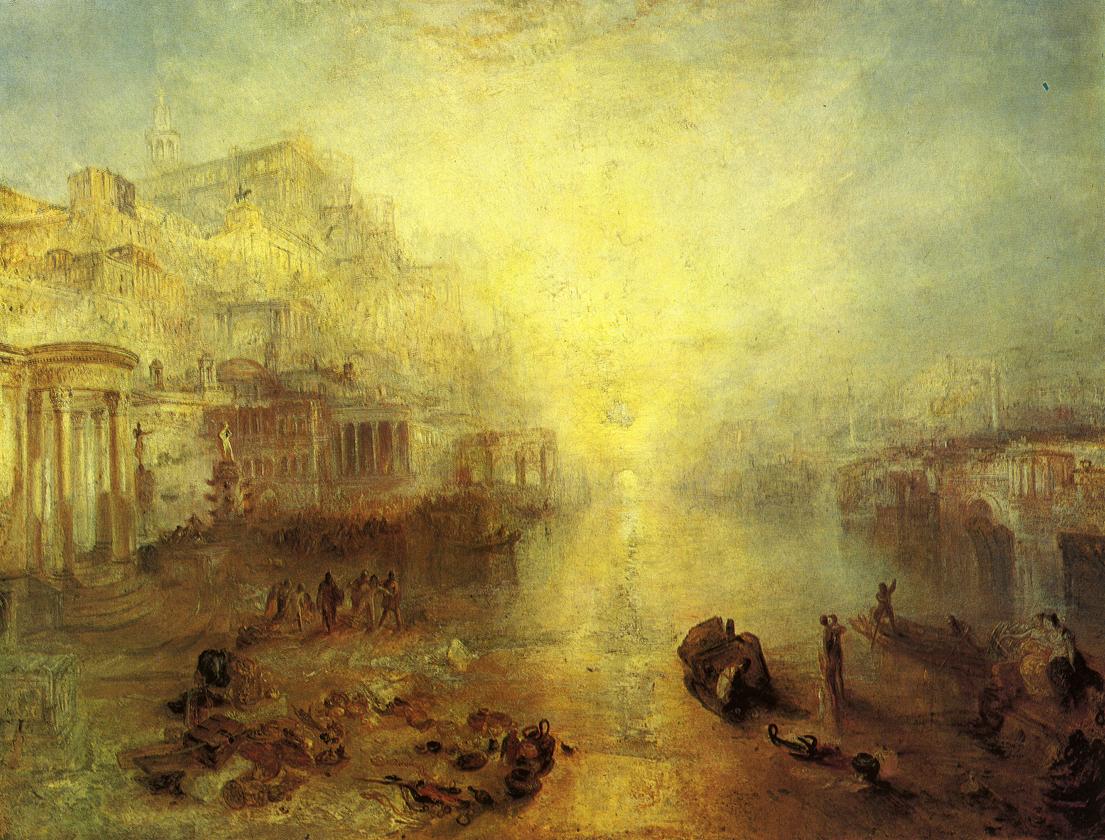
Breaking News!!! Publius Ovid Naso was exiled by Augustus to Tomis!
Today, emperor Augustus exiled the controversial poet Ovid to the lonely island to Tomis on the Black Sea. It's not completely clear why Augustus did this, seeing that he just recently exiled Ovid without the Roman senate or any other influential figure. Many speculate that he was exiled because of his controversial poetry such as his erotic poem "Ars Amorita." Augustus has begun to campaign for the growth of the Roman population within married couples, and has been rigorously opposed to all forms of adultery. It is clear that Ovid has written of ways on how to bypass the law to cheat on your spouse, which is speculated to be the reason why Ovid was recently banished. More theories are coming up, but they are not as well verified. More news on Ovid's banishment and Augustus' motives will come up in the future, so tune in.
Bocca della Verità (the Mouth of Truth)
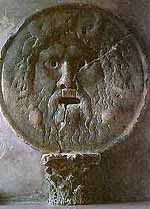
The Mouth of Truth is carving of a man's face into a circular stone statue, located in the Santa Maria Cosmedan in Rome. The statue is believed to be an ancient manhole cover in dating back from being used in the 1st century A.D. Supposedly the statue depicts the Greek god Oceanus, which is likely since Oceanus was depicted as a bearded man, and this statue most likely had a function associated with water. A belief originating from the Middle Ages stated that if a liar put their hand into the mouth of the statue, their hand would be bitten off.
http://www.italyguides.it/us/roma/rome/aventine/santa_maria_in_cosmedin/the_mouth_of_truth/bocca_della_verita.htm
http://www.rome-tours.org/visit-rome/mouth-truth.html
Is Ovid the "Anti-Virgil?"

Ovid and Virgil may have been both learned Roman poets, but they have traits that distinguish each into being possibly seen as the antithesis of each other. Ovid wrote out of his own intentions and desires, which led him to write erotic poetry. This got him into a lot of trouble later on in his life, and eventually with (supposedly having an affair with a relative of Augustus) was banished to the island of Tomis, living the rest of his life in misery. Ovid did not seek to gain the respect of Augustus, but wanted to have his work stir up emotion and controversy. On the other hand, Virgil openly sought to please Augustus in his life through various means. His epic poem The Aeneid contains different accounts of the bright future that will await Rome under Augustus. Virgil even recited books 2, 4, and 6 to Augustus personally.
Ovid and Virgil wrote in very different styles with very different intentions, and have received different reviews accordingly. Ovid wrote to stir emotions in his readers, while Virgil wrote to be remembered for his epic poetry.
http://www.online-literature.com/virgil/
http://larryavisbrown.homestead.com/files/xeno.ovid1.htm

Subscribe to:
Posts (Atom)