Poetry is a form of literary art that creates a situation or feeling for the reader to acquire, similarly to one looking at a painting and extracting what it means to convey. Yet like a painting, only the viewer (or reader of the poetry) can extract whatever they think the poem or painting is trying to convey. Poetry is elevated above regular speech, for it has evocative and aesthetic qualities that help it to define what the speaker is trying to convey, and may set a perspective to what the reader should hear. Horace 37 (Odes) is no exception; it can be thoroughly analyzed through structural analysis to determine what the author Horace depicted in the story he was accounting for. Through structurally analyzing Horace, the reader can recognize more than simply the plot of the story; the background to life in Ancient Rome and deeper references that link to the real world can be thoroughly uncovered.
As for any piece of literature, this poem can be interpreted simply by the plot that Horace unfolds, in a similar way to as if he told you the story firsthand. The story of Horace 37 is the story of the battle of Actium, and the aftermath involving Cleopatra's suicide. Horace begins by saying that as a result of the battle that collapsed her "empire" and resulted in the fall of her capitol, Cleopatra and her lover Marc Antony became very drunk and reckless as the battle waned, hoping for fortune. After this, Cleopatra swiftly left Italy, realizing that she would be pursued. She decided that she should die before being captured, but rather than being killed by her own blade she would surrender herself to the poison of venomous. snakes. As a result, she had a fierce disposition in her dying breath, and died before Octavian could capture her.
Horace's use of poetry also depicts deeper meaning in his story, because it unravels connotation that link certain words or phrases to more complex meanings. The mode of analysis that looks at connotations which can be proven in text is known as Semic analysis, and can be frequently used to distinguish poetry. One such connotation that can be taken from the poem is that a weak ruler often leads their ruled to turmoil. This can be assumed because Cleopatra was depicted drunk and mad as her side lost the Battle of Actium. Another connotation that can be assumed from the poem is that self suicide is wrong and undignified, but gruesome death is more noble. This can be assumed because in the story Cleopatra knew that she would be damned for taking her own life with a blade, but knew that it would be best to die before being taken in by Octavian. The gruesome death of the viper striking her leg was more dignified, as the author even recognizes it at the end by calling her "triumphant."
The story of the Battle of Actium and the fall of Cleopatra can be further interpreted into hermeneutic means, which contains interpreting parallels and suspension in poetry and literature. Even though the poem is limited in suspense because it is a narrative of the events of Actium, Horace includes many detailed parallels in the story to describe how Cleopatra departs the shores of Italy to go back home to Egypt. One such parallel is how she describes her pursuing her destination "like a hawk on a weak pigeon," illustrating the deep fervor that Cleopatra assumed as she left Italy. Another parallel similar to this is "a hunter after a rabbit in the snowy plains of Haemoniae, surrendering to the fatal bonds of the monster." Again, this illustrates the deep frenzied desire to get back home from Actium, and deeply illustrates the scene to the reader in a way that only poetry could do.
There are various literary devices that appear in literature, but symbolism in particular can be used in the same way that these other methods have been used to interpret poetry. One such symbol in Horace 37 is the Mareotico wine, which frenzies Cleopatra after she drinks it. This represents the corruption of the regime under Marc Antony and Cleopatra, and also can represent that it will be short lived. Poetry can consist of many examples of symbolism that uniquely distinguishes it from regular literature and gives it more tangible meaning behind regular words.
Referencing a work of literature or poetry can vary depending on when a work is analyzed relative to when it was produced. Over time, more poetry will be produced that can reference back to the original work. Yet this poem simply references the Battle of Actium, and the resulting suicide of Cleopatra. This is mainly the only thing it references.
Diagetics is another way of interpreting poetry, which relies on grammatical elements (mood, tone, word order), regardless of the content of the literature. This is used deeply through the story of Actium, as the story is shown from the viewpoint of somebody on Octavien's side. At the beginning the of the poem, the narrator tells the reader to celebrate on behalf of the battle of Actium, and make a sacrificial meal for the gods as a result of Octavien's victory. This was written this way because Octavien became Augustus, a very popular ruler and the first Emperor of Rome. Yet another diagetic insight can be seen from how the narrator labels Cleopatra. In the beginning, Cleopatra is labeled as a reckless drunk, but in the end, she is labeled as a triumphant woman above common woman. This can be possibly interpreted as that Cleopatra was more noble in the way that she died rather than the way that she lived.
Interpretation is a basic mental tool that people use to understand what something is saying. In the case of Horace’s version of the Battle of Actium, there are a variety of methods for interpreting the text and context behind the poem. The reader must take into consideration that good writers do not just recount their ideas down into a working plotline. Usually they put careful consideration into their writing so that what they want to convey can be realistically understood. The Story of the Battle of Actium is such a piece of poetry, and can define why poetry is better used for outlining the significance behind a story.
Friday, June 11, 2010

Exam Part 1
Verbs:
Est: 3rd person singular present active indicative of sum "to be"
erat: 3rd person singular imperfect active indicative of sum "to be"
Parabat: 3rd person singular imperfect active indicative of parabo "to prepare"
daret: 3rd person singular imperfect active subjunctive of do "to give"
conbiberet: 3rd person singular imperfect active subjunctive of conbibo "to drink"
Liber: child
Capitolio: Capitol Hill
Monstrum: monster
Oras :shore
Serpente: serpent
Est: 3rd person singular present active indicative of sum "to be"
erat: 3rd person singular imperfect active indicative of sum "to be"
Parabat: 3rd person singular imperfect active indicative of parabo "to prepare"
daret: 3rd person singular imperfect active subjunctive of do "to give"
conbiberet: 3rd person singular imperfect active subjunctive of conbibo "to drink"
Liber: child
Capitolio: Capitol Hill
Monstrum: monster
Oras :shore
Serpente: serpent
Friday, May 28, 2010
Exam Parsing Check
Horace 1.11
dederint: 3rd person plural perfect active subjunctive of do "to give"
temptaris: 2nd person singular present passive indicative of tempto "to tempt"
erit: 3rd person singular future active indicative of sub "to be"
tribuit: 3rd person singular present active indicative of tribuo "to tribute"
debilitat: 3rd person singular present active indicative of debileo "to debilitate"
fugerit: 3rd person singular perfect active subjunctive of fugio "to flee"
carpe: 2nd person singular present active imperative of carpo "to seize"
Horace 1.37
est: 3rd person singular present active indicative of sum "to be"
erat: 3rd person singular imperfect active indicative of sum "to be"
depromere: present active infinitive of depromo "to depromote"
parabat: 3rd person singular imperfect active indicative of parabo
sperare: present active infinitive of spero "to hope"
minuit: 3rd person singular present active indicative of minuo "to diminish"
redegit: 3rd person singular present active indicative of redigo
remis: 2nd person singular present active indicative of remo
daret: 3rd person singular imperfect active subjunctive of do "to give"
expauit: 3rd person singular perfect active indicative of exparo
reparauit: 3rd person singular perfect active indicative of reparo
tractare: present active infinitive of tracto
conbiberet: 3rd person singular imperfect active subjunctive of conbibo
Catullus 3
est: 3rd person singular present active indicative of sum "to be"
amabat: 3rd person singular imperfect active indicative of amo "to love"
erat: 3rd person singular imperfect active indicative of sum "to be"
norat: 3rd person singular imperfect active indicative of novi "to know"
mouebat: 3rd person singular imperfect active indicative of mouebo
pipiabat: 3rd person singular imperfect active indicative of pipio "to pipe"
negant: 3rd person plural imperfect active indicative of nego "to negate"
sit: 3rd person singular present active subjunctive of sum "to be"
deuoratis: 2nd person plural imperfect active indicative of deuro
rubent: 3rd person plural present active indicative of rubeo "to redden"
Catullus 7
sint: 3rd person plural present active subjunctive of sum "to be"
iacet: 3rd person singular present active indicative of iacio
ueteris: 2nd person singular present passive subjunctive of veto "to forbid"
tacet: 3rd person singular present active indicative of taceo "to quiet"
uident: 3rd person plural present active indicative of uido
basiare: present active infinitive of basio "to kiss"
satis: 2nd person singular present active indicative of satio "to satisfy"
possint: 3rd person plural present active subjunctive of possum "to be able"
Catullus 10
duxerat: 3rd person singular present active indicative of duco "to lead"
est: 3rd person singular present active indicative of sum "to be"
esset: 3rd person singular imperfect active subjunctive of edo "to eat"
dederint: 3rd person plural perfect active subjunctive of do "to give"
temptaris: 2nd person singular present passive indicative of tempto "to tempt"
erit: 3rd person singular future active indicative of sub "to be"
tribuit: 3rd person singular present active indicative of tribuo "to tribute"
debilitat: 3rd person singular present active indicative of debileo "to debilitate"
fugerit: 3rd person singular perfect active subjunctive of fugio "to flee"
carpe: 2nd person singular present active imperative of carpo "to seize"
Horace 1.37
est: 3rd person singular present active indicative of sum "to be"
erat: 3rd person singular imperfect active indicative of sum "to be"
depromere: present active infinitive of depromo "to depromote"
parabat: 3rd person singular imperfect active indicative of parabo
sperare: present active infinitive of spero "to hope"
minuit: 3rd person singular present active indicative of minuo "to diminish"
redegit: 3rd person singular present active indicative of redigo
remis: 2nd person singular present active indicative of remo
daret: 3rd person singular imperfect active subjunctive of do "to give"
expauit: 3rd person singular perfect active indicative of exparo
reparauit: 3rd person singular perfect active indicative of reparo
tractare: present active infinitive of tracto
conbiberet: 3rd person singular imperfect active subjunctive of conbibo
Catullus 3
est: 3rd person singular present active indicative of sum "to be"
amabat: 3rd person singular imperfect active indicative of amo "to love"
erat: 3rd person singular imperfect active indicative of sum "to be"
norat: 3rd person singular imperfect active indicative of novi "to know"
mouebat: 3rd person singular imperfect active indicative of mouebo
pipiabat: 3rd person singular imperfect active indicative of pipio "to pipe"
negant: 3rd person plural imperfect active indicative of nego "to negate"
sit: 3rd person singular present active subjunctive of sum "to be"
deuoratis: 2nd person plural imperfect active indicative of deuro
rubent: 3rd person plural present active indicative of rubeo "to redden"
Catullus 7
sint: 3rd person plural present active subjunctive of sum "to be"
iacet: 3rd person singular present active indicative of iacio
ueteris: 2nd person singular present passive subjunctive of veto "to forbid"
tacet: 3rd person singular present active indicative of taceo "to quiet"
uident: 3rd person plural present active indicative of uido
basiare: present active infinitive of basio "to kiss"
satis: 2nd person singular present active indicative of satio "to satisfy"
possint: 3rd person plural present active subjunctive of possum "to be able"
Catullus 10
duxerat: 3rd person singular present active indicative of duco "to lead"
est: 3rd person singular present active indicative of sum "to be"
esset: 3rd person singular imperfect active subjunctive of edo "to eat"
Wednesday, May 26, 2010
To the incoming students of Latin 3 students
dear new Latin 3 students,
Surprise!! Your currently doing Latin for your third year. I hope you enjoy it. Here are some tips for you to survive the year:
1. When Wojo asks if you want to bring in music to play in class, put some really wierd experimental music on your iPod, but try not to play any Butthole Surfers.
2. Ask for more Catullus and less Horace. This year I felt that we spent too much time on Horace, and by the time we got to Catullus I felt like we missed out. Catullus is pretty funny, so the more the better.
3. If you use delicious, book mark a buttload of stuff, even if you didn't do a blog post on them. For our midterm, we were only allowed to use stuff that we bookmarked, so in particular you should bookmark stuff that you feel you may have to use for both the midterm and the final.
Surprise!! Your currently doing Latin for your third year. I hope you enjoy it. Here are some tips for you to survive the year:
1. When Wojo asks if you want to bring in music to play in class, put some really wierd experimental music on your iPod, but try not to play any Butthole Surfers.
2. Ask for more Catullus and less Horace. This year I felt that we spent too much time on Horace, and by the time we got to Catullus I felt like we missed out. Catullus is pretty funny, so the more the better.
3. If you use delicious, book mark a buttload of stuff, even if you didn't do a blog post on them. For our midterm, we were only allowed to use stuff that we bookmarked, so in particular you should bookmark stuff that you feel you may have to use for both the midterm and the final.
Wednesday, May 19, 2010
Binomials Q-Z
1. repandus, Latin, curved upwards
2. reptans, Latin, creeping
3. rinchos, greek, snout
4. rostra, Greek, red
5. sapiens, Latin, wise
6. septem, latin, seven
7. sperma, greek, seed
8. striatus, latin,
9. tardus, latin, slow
10. tetra, greek, four
11. unus, latin, one
12. ventralis, latin, ventral
13. versicolor, latin, many-colored
14. vilosos, latin, hairy
15. viridis, latin, green
16. virosus, latin, viral
17. volans, latin, flying
18. vulgaris, latin, common
19. xanthos, greek, yellow
20. zygos, latin, joined
2. reptans, Latin, creeping
3. rinchos, greek, snout
4. rostra, Greek, red
5. sapiens, Latin, wise
6. septem, latin, seven
7. sperma, greek, seed
8. striatus, latin,
9. tardus, latin, slow
10. tetra, greek, four
11. unus, latin, one
12. ventralis, latin, ventral
13. versicolor, latin, many-colored
14. vilosos, latin, hairy
15. viridis, latin, green
16. virosus, latin, viral
17. volans, latin, flying
18. vulgaris, latin, common
19. xanthos, greek, yellow
20. zygos, latin, joined
Friday, May 14, 2010
Flowers
Cleome serrulata: meaning "bee spiderflower." Cleome is a genus for flowering plants under the family Cleomaceae. Serrulata is just a name for various species of different shrub like plants, and is loosely defined.
Chrysanthemum maximum: also called Shasta Daisy. Chrysanthemums are the family group that is named for its chrysanths (otherwise known as mums). Maximum means "biggest" in Latin
Cheiranthus allionii: called Siberian Wallflower. Cheiranthus means "wallflower" and allionii is a species indicating it is Siberian.
Achillea millefolium: means white Yarrow. Millefolium means "thousand-leaves" and Achillea is named after the hero Achilles.
Dimorphotheca sinuata: Dimorphotheca is greek for "two shapred fruit." Sinulata refers to the oasis of sinula in Africa.The plant is native to southern Africa.
Eschscholzia californica: Eschscholzia means "poppy" and californica refers to it being Californian. It is called the California Poppy.
Digitalis purpurea: Digitalis means "finger-like," and purpurea means "purple"
Echinacea pallida: pallida means "pale" and Echinacea means "cone flower"
Chrysanthemum maximum: also called Shasta Daisy. Chrysanthemums are the family group that is named for its chrysanths (otherwise known as mums). Maximum means "biggest" in Latin
Cheiranthus allionii: called Siberian Wallflower. Cheiranthus means "wallflower" and allionii is a species indicating it is Siberian.
Achillea millefolium: means white Yarrow. Millefolium means "thousand-leaves" and Achillea is named after the hero Achilles.
Dimorphotheca sinuata: Dimorphotheca is greek for "two shapred fruit." Sinulata refers to the oasis of sinula in Africa.The plant is native to southern Africa.
Eschscholzia californica: Eschscholzia means "poppy" and californica refers to it being Californian. It is called the California Poppy.
Digitalis purpurea: Digitalis means "finger-like," and purpurea means "purple"
Echinacea pallida: pallida means "pale" and Echinacea means "cone flower"
Binomials Quiz I-P
1. indicus, latin, indian
k. kestos, greek, to girdle
l. lateralis, latin, side
l. lepis, latin, a scale
1. lepos, latin, spotted
1. leucos, latin, white
m. malabaricus, latin, form Malabar
m. mephitis, latin, stinky
m. melano, greek, black
m. mano, greek, single
n. nothos, latin,
n. notos, latin
n. noveselliandiae, latin, of New Zealand
n. novaboracensis, latin,
o. obsurus, latin, obscure
o. occendentalis, latin, western
o. ovios, latin, eyes
p. pachi,
p. pelag, latin, open sea
p. punctatus, greek,
pladi, greek,
pter, greek, wing
k. kestos, greek, to girdle
l. lateralis, latin, side
l. lepis, latin, a scale
1. lepos, latin, spotted
1. leucos, latin, white
m. malabaricus, latin, form Malabar
m. mephitis, latin, stinky
m. melano, greek, black
m. mano, greek, single
n. nothos, latin,
n. notos, latin
n. noveselliandiae, latin, of New Zealand
n. novaboracensis, latin,
o. obsurus, latin, obscure
o. occendentalis, latin, western
o. ovios, latin, eyes
p. pachi,
p. pelag, latin, open sea
p. punctatus, greek,
pladi, greek,
pter, greek, wing
Monday, May 3, 2010
Newspaper Account of Ovid's Exile
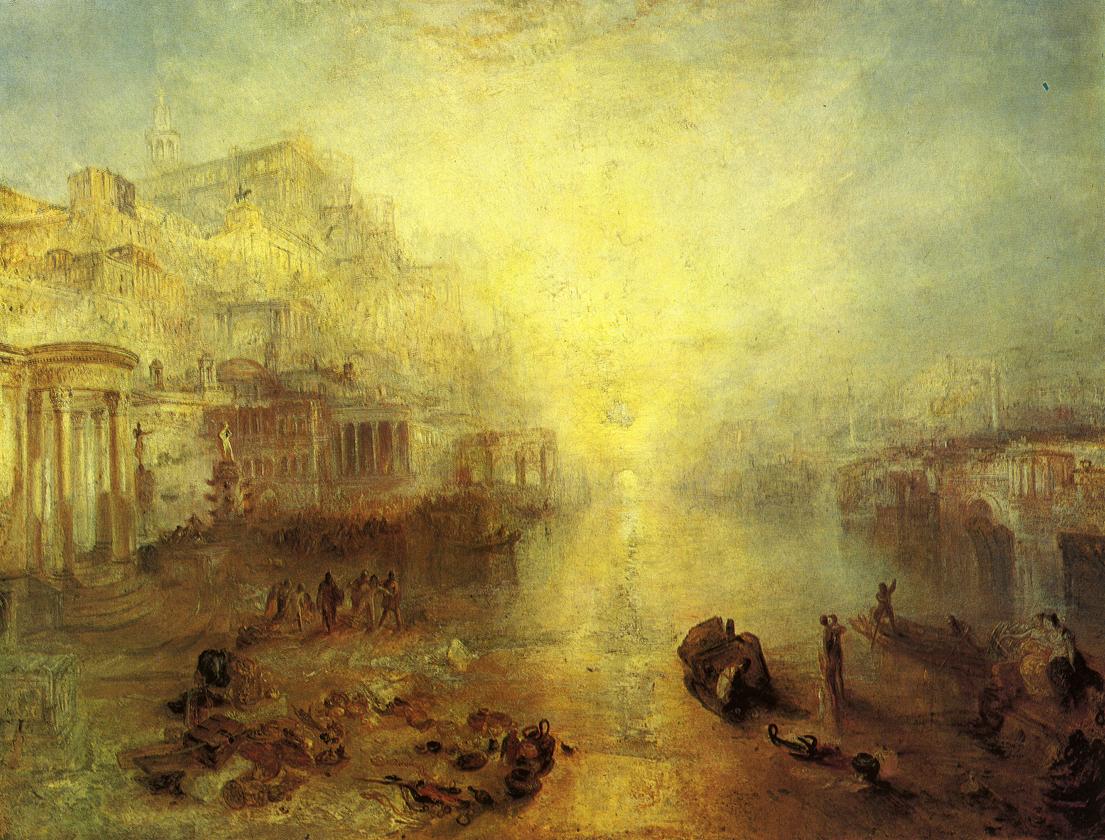
Breaking News!!! Publius Ovid Naso was exiled by Augustus to Tomis!
Today, emperor Augustus exiled the controversial poet Ovid to the lonely island to Tomis on the Black Sea. It's not completely clear why Augustus did this, seeing that he just recently exiled Ovid without the Roman senate or any other influential figure. Many speculate that he was exiled because of his controversial poetry such as his erotic poem "Ars Amorita." Augustus has begun to campaign for the growth of the Roman population within married couples, and has been rigorously opposed to all forms of adultery. It is clear that Ovid has written of ways on how to bypass the law to cheat on your spouse, which is speculated to be the reason why Ovid was recently banished. More theories are coming up, but they are not as well verified. More news on Ovid's banishment and Augustus' motives will come up in the future, so tune in.
Bocca della Verità (the Mouth of Truth)
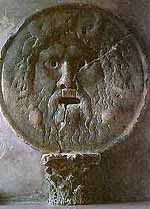
The Mouth of Truth is carving of a man's face into a circular stone statue, located in the Santa Maria Cosmedan in Rome. The statue is believed to be an ancient manhole cover in dating back from being used in the 1st century A.D. Supposedly the statue depicts the Greek god Oceanus, which is likely since Oceanus was depicted as a bearded man, and this statue most likely had a function associated with water. A belief originating from the Middle Ages stated that if a liar put their hand into the mouth of the statue, their hand would be bitten off.
http://www.italyguides.it/us/roma/rome/aventine/santa_maria_in_cosmedin/the_mouth_of_truth/bocca_della_verita.htm
http://www.rome-tours.org/visit-rome/mouth-truth.html
Is Ovid the "Anti-Virgil?"

Ovid and Virgil may have been both learned Roman poets, but they have traits that distinguish each into being possibly seen as the antithesis of each other. Ovid wrote out of his own intentions and desires, which led him to write erotic poetry. This got him into a lot of trouble later on in his life, and eventually with (supposedly having an affair with a relative of Augustus) was banished to the island of Tomis, living the rest of his life in misery. Ovid did not seek to gain the respect of Augustus, but wanted to have his work stir up emotion and controversy. On the other hand, Virgil openly sought to please Augustus in his life through various means. His epic poem The Aeneid contains different accounts of the bright future that will await Rome under Augustus. Virgil even recited books 2, 4, and 6 to Augustus personally.
Ovid and Virgil wrote in very different styles with very different intentions, and have received different reviews accordingly. Ovid wrote to stir emotions in his readers, while Virgil wrote to be remembered for his epic poetry.
http://www.online-literature.com/virgil/
http://larryavisbrown.homestead.com/files/xeno.ovid1.htm

Friday, April 30, 2010
4/30 parsing
dabat: 3rd person singular imperfect active indicative of do "to give up"
nudabant: 3rd person plural imperfect active indicative of nudo "to become nude?"
habebat: 3rd person singular imperfect active indicative active indicative of habeo "to have"
servabant: 3rd person plural imperfect active indicative of servo "to serve"
manebant: 3rd person plural imperfect active indicative of maneo "to remain"
nudabant: 3rd person plural imperfect active indicative of nudo "to become nude?"
habebat: 3rd person singular imperfect active indicative active indicative of habeo "to have"
servabant: 3rd person plural imperfect active indicative of servo "to serve"
manebant: 3rd person plural imperfect active indicative of maneo "to remain"
4/30 quiz binomials
1. Agrestis, greek, of the field
2. amphi, Greek, of both sides
3. Ampulla, latin, flask
4. Anthropos, greek, man
5. Bacatta, Latin, berry yielding
6. Blanda, latin, pleasant
7. caecus, latin, blind
8. canus, latin, grey
9. caulos, greek, stem
10. cneem, greek, arm
11. christatus, latin, crested
12. crocos, latin,
13. dactylos, greek, finger
14. derma, greek, skin
15. dulcis, latin, sweet
2. amphi, Greek, of both sides
3. Ampulla, latin, flask
4. Anthropos, greek, man
5. Bacatta, Latin, berry yielding
6. Blanda, latin, pleasant
7. caecus, latin, blind
8. canus, latin, grey
9. caulos, greek, stem
10. cneem, greek, arm
11. christatus, latin, crested
12. crocos, latin,
13. dactylos, greek, finger
14. derma, greek, skin
15. dulcis, latin, sweet
Wednesday, April 28, 2010
Pyramus and Thisbe
Pyramus and Thise, one who was elevated as the handsomest of men and the other, who has emerged from the Orient, given preference to boys,
http://en.wikipedia.org/wiki/Pyramus_and_Thisbe
http://en.wikipedia.org/wiki/Pyramus_and_Thisbe
Binomial Practice
1. Acutis, Latin, pointed
2. albus, Latin, white
3. amphi, greek, of both sides
4. anthropos, greek, man
5. Apis, latin
6. aquaticus, latin, of the water
7. argentatus, latin, silver
8. aureus, latin, gold
9. bacatta, greek, with berries
10. bradys, latin, slow
11. caecus, latin,
12. canus, latin, long
13. cauda, latin
14. ceps, greek,
15. chloros, greek, green
16. chroma, latin, color
17. cola, latin, short
18. chorax, greek,
19. castados, greek
20. christados, latin, Christ
2. albus, Latin, white
3. amphi, greek, of both sides
4. anthropos, greek, man
5. Apis, latin
6. aquaticus, latin, of the water
7. argentatus, latin, silver
8. aureus, latin, gold
9. bacatta, greek, with berries
10. bradys, latin, slow
11. caecus, latin,
12. canus, latin, long
13. cauda, latin
14. ceps, greek,
15. chloros, greek, green
16. chroma, latin, color
17. cola, latin, short
18. chorax, greek,
19. castados, greek
20. christados, latin, Christ
Friday, April 23, 2010
4/23 parse check
Laudat: 3rd person singular present active indicative of laudo "to praise"
Latent: 3rd person plural present active indicative
putat: 3rd person singular present active indicative of puto "to think"
fugit: 3rd person singular present active indicative of fugo "to flee"
resistit: 3rd person singular present active indicative of resisto
fugiunt: 3rd person plural present active indicative of fugo
est: 3rd person singular present active indicative of sum "to be"
notent: 3rd person plural present active indicative
sunt: 3rd person plural present active indicative of sum "to be"
observo: 1st person singular present active indicative of observo
fugis: 2nd person singular present active indicative of fugo "to flee"
servit: 3rd person singular present active indicative of servo "to serve"
patet: 3rd person singular present active indicative of pateo
concordant: 3rd person plural present active indicative of concordo
fecit: 3rd person plural present active indicative of feco "to make"
prosunt: 3rd person plural present active indicative
nudabant: 3rd person plural imperfect active indicative
vibrabant: 3rd person plural imperfect active indicative
dabat: 3rd person singular imperfect active indicative
sustinet: 3rd person singular present active indicative
Extra Credit: The term is Anadiplosis, which is the repetition of the last word of a clause. It is used at the end of one sentence, and followed up again in the beginning of the next sentence.
Latent: 3rd person plural present active indicative
putat: 3rd person singular present active indicative of puto "to think"
fugit: 3rd person singular present active indicative of fugo "to flee"
resistit: 3rd person singular present active indicative of resisto
fugiunt: 3rd person plural present active indicative of fugo
est: 3rd person singular present active indicative of sum "to be"
notent: 3rd person plural present active indicative
sunt: 3rd person plural present active indicative of sum "to be"
observo: 1st person singular present active indicative of observo
fugis: 2nd person singular present active indicative of fugo "to flee"
servit: 3rd person singular present active indicative of servo "to serve"
patet: 3rd person singular present active indicative of pateo
concordant: 3rd person plural present active indicative of concordo
fecit: 3rd person plural present active indicative of feco "to make"
prosunt: 3rd person plural present active indicative
nudabant: 3rd person plural imperfect active indicative
vibrabant: 3rd person plural imperfect active indicative
dabat: 3rd person singular imperfect active indicative
sustinet: 3rd person singular present active indicative
Extra Credit: The term is Anadiplosis, which is the repetition of the last word of a clause. It is used at the end of one sentence, and followed up again in the beginning of the next sentence.
Wednesday, April 21, 2010
Recycling in the Ancient world
Archaeologists and anthropologists can easily determine how well an ancient society recycled, based on the contents of their trash. If areas where their trash was found contains artifacts and tools that seem that they could have been remade to be reused again, than it is likely that the culture did not recycle much, or did not recycle at all. Precious metals and paper were commonly recycled in ancient Rome, for these materials were harder to make into functional forms. There were even deposit containers in ancient Rome for recycling scrap paper, which contained some 2000 year old remains of paper.
http://www.recyclingfactsguide.com/recycling/ancient-reuse-and-recycling/
http://www.recyclingfactsguide.com/recycling/ancient-reuse-and-recycling/
Monday, April 19, 2010
Verb Parse Check 1
Servit: 3rd person singular present active indicative
Est: 3rd person singular present active indicative of sum "to be"
Patet: 3rd person singular present active indicative
Concordant: 3rd person plural present active indicative
Fecit: 3rd person singular present active indicative
Dicor: 1st person singular present passive indicative
Prosunt: 3rd person plural present active indicative
Fugit: 3rd person singular present active indicative of fugo
Relinquit: 3rd person singular present active indicative of relinquo
Nudabant: 3rd person plural imperfect active indicative
Est: 3rd person singular present active indicative of sum "to be"
Patet: 3rd person singular present active indicative
Concordant: 3rd person plural present active indicative
Fecit: 3rd person singular present active indicative
Dicor: 1st person singular present passive indicative
Prosunt: 3rd person plural present active indicative
Fugit: 3rd person singular present active indicative of fugo
Relinquit: 3rd person singular present active indicative of relinquo
Nudabant: 3rd person plural imperfect active indicative
Friday, April 16, 2010
Latin Review Project
The Metamorphoses are regarded as a top source for historians and classic scholars to study how our predecessors told Greek Mythology. This epic poem is one of Ovid's finest works, and paints a picture of the romantic settings and plots in literature at that time. The Metamorphoses are told with a certain zeal that captures the reader's attention, while inscribed into text in ways that tug at our emotions. It illustrates the origins and history of the cosmos and the gods, and uses many stories of beings transforming their form to illustrate morals onto society. After it was put into text by the great Roman poet Ovid, it has been celebrated as a near accurate depiction of many of the stories associated with ancient Greek Mythology. It has been translated countless times into several different languages ever since, and is primarily studied by Latin and classics students based on it being an excellent example of an epic poem. However, many of these translations should be deemed less than satisfactory, and can throw off their readers from what Ovid originally said. My goal, for the rest of this article, is to show you three different translations of the Metamorphoses, and to shape your judgment on how to perceive a nicely translated source from the loosely translated.
The first translation I will discuss was written by an Englishman named George Sandys in 1626. Sandys was an English traveler and poet, who studied in Oxford before traveling across the Mediterranean to write a narrative, directed to Charles I of England. Prior to working on translations of the Metamorphoses and Virgil’s Aeneid, he briefly lived in the newly founded crown colony of Virginia. As you can assume from his background, his translation was very thick in old English grammar and spelling, which is often harsh to read. This was one of the earliest English translations of Metamorphoses, so I can’t criticize him for that. However, it appears to me that Sandys wrote this translation with a greater concern on making his version rhyme in an elegant manner. After all, his work was preceded by John Dryden’s translation of Metamorphoses, which Dryden made to rhyme in an appealing manner. It seems that Sandys sought to rival the rhyming abilities of Dryden, so it appeared that he focused less on the actual flow of the text. Consequentially, I could not understand the story when reading any random part of it, because his version was full of discrete descriptions that I could not understand. I would rank this the lowest compared to my other sources.
Another translation that I could read easier was John Dryden’s, who’s translation of Metamorphoses was one of the earliest English translations ever made. He was a very successful poet and literary critic who dominated the English Restoration, but was also a notable translator. His translation features a simple rhyming scheme that was common in English poetry, and was also effective in illustrating the mythology in Metamorphoses. His rhyming techniques and use of vocabulary appeared much less shaky to me than Sandys’ version, but it still seemed to me that Dryden was still more concerned with rhyming, even at the consequence of losing interest. I would rate this above Sandy’s translation, but this is not the absolute best translation.
The last translation I will discuss is that of Arthur Golding. Golding was also an Englishman, who was most notable for his translation of Metamorphoses. Ironically, he was a very devout Puritan, and made this clear at the end of his translation by asking his readers to look past the heretical beliefs in the poem. His translation was completed in 1587, making it the first English translation of the Metamorphoses. His translation is also in rhyme, but is less vigorous in making the rhyme work concerning how much the poem makes sense. It flows much more to me than the other two poems, and also occasionally features lines that were rhymed rather well. Because of this, I would place this at the top of my list of translations, and recommend this as the best source for classics scholars in seek of a translation of Metamorphoses.
http://etext.virginia.edu/latin/ovid/sandys/1.htm
http://www.elizabethanauthors.com/ovid00.htm
http://classics.mit.edu/Ovid/metam.1.first.html
The first translation I will discuss was written by an Englishman named George Sandys in 1626. Sandys was an English traveler and poet, who studied in Oxford before traveling across the Mediterranean to write a narrative, directed to Charles I of England. Prior to working on translations of the Metamorphoses and Virgil’s Aeneid, he briefly lived in the newly founded crown colony of Virginia. As you can assume from his background, his translation was very thick in old English grammar and spelling, which is often harsh to read. This was one of the earliest English translations of Metamorphoses, so I can’t criticize him for that. However, it appears to me that Sandys wrote this translation with a greater concern on making his version rhyme in an elegant manner. After all, his work was preceded by John Dryden’s translation of Metamorphoses, which Dryden made to rhyme in an appealing manner. It seems that Sandys sought to rival the rhyming abilities of Dryden, so it appeared that he focused less on the actual flow of the text. Consequentially, I could not understand the story when reading any random part of it, because his version was full of discrete descriptions that I could not understand. I would rank this the lowest compared to my other sources.
Another translation that I could read easier was John Dryden’s, who’s translation of Metamorphoses was one of the earliest English translations ever made. He was a very successful poet and literary critic who dominated the English Restoration, but was also a notable translator. His translation features a simple rhyming scheme that was common in English poetry, and was also effective in illustrating the mythology in Metamorphoses. His rhyming techniques and use of vocabulary appeared much less shaky to me than Sandys’ version, but it still seemed to me that Dryden was still more concerned with rhyming, even at the consequence of losing interest. I would rate this above Sandy’s translation, but this is not the absolute best translation.
The last translation I will discuss is that of Arthur Golding. Golding was also an Englishman, who was most notable for his translation of Metamorphoses. Ironically, he was a very devout Puritan, and made this clear at the end of his translation by asking his readers to look past the heretical beliefs in the poem. His translation was completed in 1587, making it the first English translation of the Metamorphoses. His translation is also in rhyme, but is less vigorous in making the rhyme work concerning how much the poem makes sense. It flows much more to me than the other two poems, and also occasionally features lines that were rhymed rather well. Because of this, I would place this at the top of my list of translations, and recommend this as the best source for classics scholars in seek of a translation of Metamorphoses.
http://etext.virginia.edu/latin/ovid/sandys/1.htm
http://www.elizabethanauthors.com/ovid00.htm
http://classics.mit.edu/Ovid/metam.1.first.html
Wednesday, April 14, 2010
Which poet do you prefer: Horace, Catullus, or Ovid? Why?
Hands down, I prefer Catullus. Horace would be the lowest on that list, because it seems to me that he is only concerned with sounding nice and adhering to lyric poetry. His poetry is really boring, he tries to sound anecdotal too much. Alot of his writing, in particular the Satires, refers commonly to Maecenas, as if Maecenas is the main reason why he wrote the peace. This makes me feel that he is less interested in completing a great piece of poetry, and more interested in obtaining a positive reputation from Maecenas.
Catullus, on the other hand, is controversial and crude. His poetry seems often written just because of his hatred towards the world's flaws, similarly to how Holden Caulfield hated phonies in Catcher in the Rye. There is as much profanity, if not more, in Catullus' writing as in J.D. Sallinger's book. Some of Catullus' poems are very short and usually feature only a harsh insult to somebody he knows, which I think is hilarious. He probably got a lot of shock laughs during his time.
Catullus, on the other hand, is controversial and crude. His poetry seems often written just because of his hatred towards the world's flaws, similarly to how Holden Caulfield hated phonies in Catcher in the Rye. There is as much profanity, if not more, in Catullus' writing as in J.D. Sallinger's book. Some of Catullus' poems are very short and usually feature only a harsh insult to somebody he knows, which I think is hilarious. He probably got a lot of shock laughs during his time.
Would you consider Ovid's 'Metamorphoses' to be more an example of lyric or epic poetry?
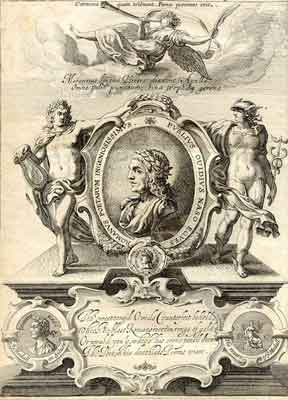
I would consider Metamorphoses to be more of an Epic Poem than a Lyric Poem. Despite that it Metamorphoses is written in dactylic hexameter (the meter usually use in epic poetry), it doesn't appeal as well to me to be called lyric poetry. The more significant meaning behind the writing in Metamorphoses is to illustrate the stories of Greek mythology. The purpose of epic poetry is to distinguish significant evens that resulted in a nation or the world. Metamorphoses explains the origins and mythology of the earth, and through Metamorphoses Ovid shows various Greek myths and how they correlate to phenomenon in our world. Therefore, defining Metamorphoses as epic poetry appeals more to me than calling it lyric poetry.
http://larryavisbrown.homestead.com/files/xeno.ovid1.htm
http://www.shmoop.com/metamorphoses/writing-style.html
Tuesday, April 13, 2010
Why was Ovid banished?

Explain why Ovid got in trouble, and determine if he got a just punishment.
During the rule of Augustus, laws were instituted in Rome that encouraged a growing birth rate, while discouraging adultery. Despite this, Ovid wrote poetry that encouraged raunchy behavior such as adultery, even outlining tips on how to effectively preform adultery in his work "Ars Amorita." The views that Ovid presented in his poetry was generally opposite to the values that Augustus promoted through law, which is most likely the reason why Augustus exiled Ovid to Tomis. However, other theories to why Augustus was exiled can apply. Ovid claimed that while his poetry earned him the Roman government's distaste, his banishment was actually implemented because of something he witnessed. Many scholars believe that he was involved in a scandalous affair with Julia the Younger, Augustus' granddaughter (who was exiled the same year). If this was true, it would have given Augustus enough incentive to exile Ovid.
I believe that Ovid did receive a just punishment for his actions. Ovid even felt that the views towards adultery in his writings were wrong for him to say, saying that the reason for his exile was because of "a poem, and a mistake," even declaring that his offense was worse than murder. This action taken by Augustus, in fact, can be seen as less of a punishment against Ovid, but more of a solution to the problem presented by his writings. Also, this punishment was considerably less consequential than executing or imprisoning Ovid.
http://www.unrv.com/culture/ovid.php
http://www.dl.ket.org/latinlit/historia/people/ovidbio.htm
http://en.wikipedia.org/wiki/File:Orvieto105.jpg with some rights reserved
Monday, April 12, 2010
The vatican will publish its instructions about pedophilia
The Vatican published an internet site on the directives of pedophilia in the catholic church, published on April 9th through the Italian agency ANSA, cited from Vatican sources. The publication underlined its principles on the web "After a three day delay, it would probably Monday," says ANSA.
Friday, March 26, 2010
Metamorphoses
The first of Phoebus' loves was Daphne, who's luck did not give in to arrogance, but the savage anger of Cupid, this recently aggravated by, arrogantly gliding on in victory, she sees that he tightens as he bends the strings of his bow, and she "what" and "you playful boy, are you with strong arms?" So he said "this is a proper trophy for my arms due to that I am able to fix in on an enemy and wound them as they surrender, so many of my destructive arrows will press into your stomach
Ovid
Ovid was a Roman poet that lived from 43 BCE to 17 CE. He is regarded as a master of elegiac couplet and is ranked among the greatest Latin poets. He was born to an important equestrian family east of Rome, and was made to study rhetoric in the path of practicing law. Instead of this, he decided to become a poet, traveling across the Mediterranean in search of inspiration. By the time he was 30, he had already married 3 times and divorced twice. In his career as a poet, he primarily wrote elegiac couplet with erotic themes, which often stirred controversy. Much of his poetry centered on themes not deemed politically correct to read at the time, such as in Remedia Amoris(where Ovid outlines to men how to cheat on their spouses). By 8 CE, his poetry had gotten on the nerves of the Roman emperor Augustus, who promptly exiled him to the island of Tomis on the Black Sea. For the rest of his life, his poetry was often molded into depressing and lonesome themes, reflecting his desire to leave Tomis and come back to Rome. About 10 years later he would die, and was buried in a remote town in Tomis. Many of his works are still read commonly today, such as the Heroines, the Amores, Ars Amatoria (the art of love), Remedia Amoris (the Cure for Love), and Metamorphoses (which was published the year of his exile, and considered to be the last of his best works).
http://en.wikipedia.org/wiki/Ovid
Wednesday, March 24, 2010
Theodoric the Great

Theodoric the Great was king of the Ostrogoths from 471-526, and for a time a viceroy of the Eastern Roman Empire. His Gothic name "Þiuda reiks" translates into "people's king". He was made a hero of German legend, being included in several different types of epic poems, such as the Hildebrandslied and the Nibelungenlied. In many of these poems, he is often associated with true events that followed through in his life, and is commonly seen with Hildebrad, a hero for ancient Christianity. Often European folklore are included in the stories as well; in one story Theodoric catches a dwarf named Alfrich.
http://www.publicbookshelf.com/public_html/Outline_of_Great_Books_Volume_I/theodoric_ei.html
Theodoric the Great Timeline
The Ostrogoths

The Ostrogoths were a branch of the Goths and a notable Eastern Germanic tribe.
They established the Kingdom of Italy, a relatively short-lived successor state of the Western Roman Empire. At the time the Ostrogoths ruling Italy were also known as the Valagothi "Roman Goths". They reached the peak in their civilization under king Theodoric the Great. By mid-century, however, they had been conquered by Justinian's army in the Gothic War, which ended up having monumental consequences for the Italian Peninsula.
http://www.thenagain.info/webchron/WestEurope/Ostrogoths.html
Tuesday, March 23, 2010
Belisarius (General of Byzantine Empire)

Flavius Belisarius was a general of the Eastern Roman empire, noted for many accomplishments. He was instrumental to Emperor Justinian's reconquering of the Mediterranean territory of the former Western Roman Empire (Italy), which had been lost less than a century ago. For receiving almost no support from Justinian, his military successes are often laudable in military history. He is said to been a blind begger later in life, having made so by an order by Justinian to have his eyes poked out. It is said that for the rest of his life he became a homeless beggar near the Pincian Gate of Rome.
http://www.biographybase.com/biography/Belisarius.html
Witiges (Gothic King during the Siege of Rome)

Witiges was the King of the Ostrogoths in Italy from 536 to 540, the year he died.
He succeeded to the throne during the iddle of the war, as Belisarius had quickly captured Sicily the previous year. Witiges had his predecesor Theodahad murdered after the imprisonment and death of his mother-in-law. Justinian's general Belisarius took both Witiges and Matasuntha as captives to Constantinople, where he would later die.
http://viswiki.com/en/Witiges
http://neohumanism.org/w/wi/witiges.html
The Battle of Taginae

The Battle of Taginae was an instrumental battle that ensured the Byzantine Empire's conquest of the Italian Peninsula, where the army of the Byzantine Empire under Narses defeated the Italian Ostrogoths. It can be characterized by a massive Calvary defeat of the Ostrogoth army under the missle armed Byzantine army. The village is so named because it was located near the village of Taginae, north of modern day Gualdo Tadino.
Above is a map of the positions taken by the two different sides during the battle.
http://www.fernweb.pwp.blueyonder.co.uk/mf/taginae.htm
Trevi Fountain

The Trevi fountain is the largest and most famous Baroque fountain in Rome, located in the Trevi rione. It is 85 ft. high and 65 ft. wide, making it a very large fountain and a notable attraction in Rome. About 400 years ago, the fountain was fed by the Agua Virgo, an ancient aqueduct that supplied a pure source of water for things such as the Baths of Agrippa. It was Roman custom to build handsome fountains at the ends of aqueducts that fed into Rome, so the structure at the end of the large Agua Virgo would become a very ornate fountain.
http://www.rome.info/sights/trevi-fountain/
http://en.wikipedia.org/wiki/File:Fontana0307.jpg
http://en.wikipedia.org/wiki/File:Nikon_%28171%29.JPG with some rights reserved
Monday, March 22, 2010
Roman Tickle Torture...?

The most well known torture method at the time of the Romans was crucifixion, for obvious reasons. However, another less known method of torture that people at the time of Ancient Rome faced was a sort of "tickle torture." This was actually effective in most cases, as after a period of time tickling becomes unbearable. In many cases, Romans would dip the tortured person's feet in salt or a sweet substance and have a goat lick it off. This, I can imagine, would really tickle. Seems like an alternative ending to the "Life of Brian" to me.
http://books.google.com/books?id=TE2KfBWPAt0C&pg=PA183#v=onepage&q=&f=false
Pig Latin

Pig Latin is a type of language meant to be a decryption that consists of a simple changing of English words. In pig latin, the beginning consonant of a word is moved to the end of the sentence to form a syllable starting with the consonant and ending with "ay." Therefore, the Pig Latin translation of "Jim threw the ball" is "Imjay hrewtay hetay allbay." I was curious to find why it was called pig latin, but found out that the "Latin" is just a misnomer; it is just a way to make pig Latin further sound like a strange and foreign language. It really has nothing to do with Latin.
The picture above is actually a widget for a mac dashboard that you can download on apple.com, if you're into that kind of stuff.
http://www.idioma-software.com/pig/pig_latin.html
Catullus 77, parsed and translated
Rufus, who I trusted in vain as a friend (in vain? on the contrary with a high and evil price), so this is the way you creep to me, and scorching my insides and you snatched away all our good from miserable me? Oh, alas, your cruel poison snatched away our livelihood, oh alas plague of our friendship.
frustra: 2nd person singular present active imperative of frustro "to disappoint"
credite: 2nd person plural present active imperative of credo "to trust"
subrepsti: 2nd person singular perfect active indicative of surrpeo "to creep"
eripuisti: 2nd person singular perfect active indicative of eripio "to snatch away"
frustra: 2nd person singular present active imperative of frustro "to disappoint"
credite: 2nd person plural present active imperative of credo "to trust"
subrepsti: 2nd person singular perfect active indicative of surrpeo "to creep"
eripuisti: 2nd person singular perfect active indicative of eripio "to snatch away"
Catullus 70, parsed and translated
My woman says that there is no one that she would rather marry than me, not even if Jupiter entreated her. She says this: but what a woman says to her eager lover, it is proper to be written in rapid water and wind.
dicit: 3rd person singular present active indicative of dico "to say"
malle: present active infinitive of malo "to prefer"
petat: 1st person singular present active subjunctive of peto "to entreat"
dicit: 3rd person singular present active indicative of dico "to say"
scribere: present active infinative of scribo "to write"
dicit: 3rd person singular present active indicative of dico "to say"
malle: present active infinitive of malo "to prefer"
petat: 1st person singular present active subjunctive of peto "to entreat"
dicit: 3rd person singular present active indicative of dico "to say"
scribere: present active infinative of scribo "to write"
Catullus 69, parsed and translated
How are you unwilling to admire women, Rufus, when none want to place their soft thighs under you, not if you loosen her with a gift of clothing or her favorite transparent jewel. Such an evil story hurts you which a wild he-goat inhabits the valley under your forearm. This all men fear, and is also strange, for it's a mischievous beast with whom no pretty girl would lie with. Therefore either kill the cruel hearted pestilence to the nose or cease to be surprised at why they flee.
noli: 2nd person singular present active imperfect of nolo "to be unwilling"
admirari: present active infinitive of admiror "to admire"
velit: 3rd person singular present active subjunctive of volo "to wish"
supposuisse: perfect active infinitive of suppono "to place under"
labefactes: 2nd person singular present active subjunctive of labefacto "to shake"
laedit: 3rd person singular present active indicative of laedo "to strike"
fertur: 3rd person singular present passive indicative of fero "to bring"
habitare: present active infinitive of habito "to inhabit"
metuunt: 3rd person plural present active indicative of metuo "to fear"
cubet: 3rd person singular present active subjunctive of cubo "to lie with"
interfice: 2nd person singular present active imperative of interficio "to kill"
admirari: present active infinitive of admiror "to admire"
desine: 2nd person singular present active imperative of desino "to stop"
fugiant: 3rd person present active subjunctive of fugio "to flee"
noli: 2nd person singular present active imperfect of nolo "to be unwilling"
admirari: present active infinitive of admiror "to admire"
velit: 3rd person singular present active subjunctive of volo "to wish"
supposuisse: perfect active infinitive of suppono "to place under"
labefactes: 2nd person singular present active subjunctive of labefacto "to shake"
laedit: 3rd person singular present active indicative of laedo "to strike"
fertur: 3rd person singular present passive indicative of fero "to bring"
habitare: present active infinitive of habito "to inhabit"
metuunt: 3rd person plural present active indicative of metuo "to fear"
cubet: 3rd person singular present active subjunctive of cubo "to lie with"
interfice: 2nd person singular present active imperative of interficio "to kill"
admirari: present active infinitive of admiror "to admire"
desine: 2nd person singular present active imperative of desino "to stop"
fugiant: 3rd person present active subjunctive of fugio "to flee"
Friday, March 19, 2010
Grünes Gewölbe

The Grünes Gewölbe (Green Vault) is a museum in Dresden, Germany, that contains the largest collection of treasures in Europe, and is part of the Dresden Castle. There are nine different rooms in the vault, each with their own theme for the treasures that they contain. During World War 2 in the bombing of Dresden, three of the 9 rooms were damaged by bombs, but the treasures were kept safe in another facility. After the war, the Soviet Union stole the treasures, but gave them back in 1958. The entire collection consists of over 4000 pieces, some of which include:
- Der Hofstaat zu Delhi am Geburtstag des Großmoguls Aurangzeb (Palace at Delhi of the Mogul Aurangzeb at his birthday) represents the imagination of European monarchs about Arabic Palaces in India. It is a miniature with about 150 persons and animals. It was created from 1701-1708. It costs as much as one palace.
- the Mohr mit Smaragdstufe (Moor with Emeraldplate), created by Balthasar Permoser in 1724. The Statue is richly decorated with jewels and is about 64 cm high.
- The Dianabad (The "Bath of Diana"), in which a chalcedony bowl in a filigree is supported between the horns of a stag's head.
- The Juwelen-Garnituren (Jewel garniture) is the largest collection of jewels in Europe. They represented the claim of absolute power of the monarchs.
http://www.placesonline.com/europe/germany/saxony/dresden/museums/grunes_gewolbe.asp
http://en.wikipedia.org/wiki/File:Mohr_mit_Smaragdstufe_Gr%C3%BCnes_Gew%C3%B6lbe_Dresden.jpg
the Schatzkammer
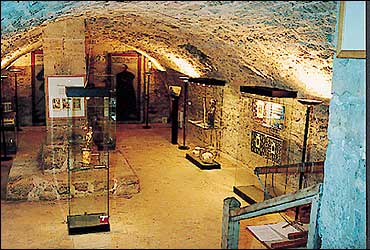
The Schatzkammer is an imperial treasury vault located in Vienna, in the Hofburg Palace. The treasury includes over 1000 years of treasures, and is divided into the Secular and Ecclesiastical sections. Some items of note in the exhibit include:
- The crown of Emperor Rudolf II
- valuable jems, including one of the world's largest emeralds
- jewels and insignia's of the Holy Roman Empire
- a giant narwhal tooth which was thought to be the horn of a unicorn
- an agate bowl from Late Antiquity which was thought to be the Holy Grail
- A spear which is believed to be the Lance of Longinus
http://www.visitingvienna.com/sights/museums/schatzkammer/
Monday, March 15, 2010
Holy hand Grenade of Antioch
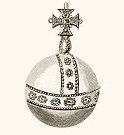
The Holy Hand Grenade of Antioch is a fictional holy weapon used by King Arthur in the comedy "Monty Python and the Holy Grail." It closely represents the Sovereign Orbs that were seen as ornaments to the United Kingdom, and is most likely a gag interpretation of one. In the movie, Arthur and the Knights of the Round Table seek to enter a cave, but the cave is guarded by a killer rabbit. After a few men are killed by the rabbit, Arthur decides to use the grenade to destroy the rabbit. When one of the Knights pulls the grenade out, another reads a holy scripture associated with the grenade instructing how to use it:
And Saint Attila raised the hand grenade up on high, saying, "O Lord, bless this Thy hand grenade that with it Thou mayest blow Thine enemies to tiny bits, in Thy mercy." And the Lord did grin and the people did feast upon the lambs and sloths and carp and anchovies and orangutans and breakfast cereals, and fruit bats and... And the Lord spoke, saying, "First shalt thou take out the Holy Pin, then shalt thou count to three, no more, no less. Three shall be the number thou shalt count, and the number of the counting shall be three. Four shalt thou not count, neither count thou two, excepting that thou then proceed to three. Five is right out. Once the number three, being the third number being reached, then lobbest thou thy Holy Hand Grenade of Antioch towards thy foe, who being naughty in My sight, shall snuff it."
http://www.famous-equotes.com/movie-quotes/holy-hand-grenade-manual.html
the Holy Lance (Lance of Longinus)

In John's account of the crucifixion, Jesus was pierced with a spear just after his death on the cross. The Roman soldier that pierced him, Longinus, was accounted as a roman guard with very poor eyesight. But when he wiped his face after spearing Jesus a miracle happened. His hand was wet with Jesus' blood, and when he wiped his head his eyesight came back. For the rest of his life, Longinus venerated the holy spear, where it would eventually find itself into the hands of many important Christians, such as Constantine. Later, in the 1800s, Napoleon Bonaparte acquired the spear, and prized it along with other christian relics. The holy spear even was acquired by Adolf Hitler in WW2, in an effort to convince Christians that his cause was righteous. I also heard on the history channel that 90 minutes after the Nazis lost the sword after it was stolen from Berlin, Hitler committed suicide. Now, the Holy lance is believed to remain in the Schatzkammer (Imperial Treasury Vault) of Vienna, and is on exhibit.
http://bibleprobe.com/holy_lance.htm
Wednesday, March 10, 2010
Catullus 64, lines 54-85 scanned, parsed, and translated
"So, is is it that you faithless Theseus will abandon me, departing from my father's alter to the deserted shore, you propose? So you wish to forget and disregard your divine vows to the gods, or do you come home to carry perjury? Can nothing change your cruel mind's decision? Does your cruel heart not have any ready compassion or mercy? But now you do not give me promises in a flattering voice, nor hope to give me commands when I was unhappy, but the happy marriage that I desired is torn apart by the harsh winds. Now no woman should take faith in a man who speaks an oath, for while a man's mind is very eager to win nothing, men are not afraid to refrain from vowing to promises: but at the same time when their desiring minds are satisfied, they do not fear what they say nor regard their perjuries. Surely I rescued you when you were spinning in the center of the deadly whirlwind which would have torn you apart, when I lacked my brother in a deceptive time. For which I shall be sent to die be being torn apart by birds and wild animals nor not being covered with a burial mound at death. What lioness gave birth to you from under a rock, what sea conceived you with foam and spit you out, what Syrtis, what grasping Scylla, what vast Charbdis gave birth to you, with who you return with such a sweet prize to? If you avoided your father's fierce orders because you dreaded our wedding, but yet you led me to your house to serve you as a servant, in clear water washing your feet, and covering your bed with purple garment. But why should I complain in vain to the senseless wind, who is not gifted with hearing and cannot hear nor return my voice?
But that man has now moved into the middle of the seas waves, nor is there any human form among the seaweed. Thus, my harsh luck insults me a final time, and now too does it refuse to hear my complaints. All powerful Jupiter, if only from the beginning the Gnosian ships would not have touch the Cretan shores. If only the treacherous sailor had not tied his ropes to Crete nor brought dire payments to the untamed bull, nor that this wicked guest, who hid his cruel intentions in a sweeter form, had never rested in our house! Where should I withdraw to? What sort of embodiment of hope should I struggle to? Should I aim to Mt. Ida? But the raging sea separates me from any land bridge. Can It be that I should have hoped for my father's help? When I followed a man that is sprinkled with my brother's murder? Am I supposed to have confidence in my husband's love for me? Who is the one clinging to an oar fleeing to the sea? Besides, no house honors this lonely island, nor are there any landings where the encircling sea opens. There is no method to escape, and no hope, for all is deserted and everything exhibits death;
nevertheless, my eyes will not grow feeble with death, and
my senses will not withdraw from my exhausted body, until I,
who've been abandoned, demand a stiff penalty from the gods
and invoke the trust of the gods in my final hour.
Wherefore, you Furies, who penalize the deeds of men with
avenging punishment, and whose foreheads, wreathed in
serpentine hair, display the breathing ire of your hearts,
approach, approach to this place, and hear my complaints,
which - alas! - I, miserable and powerless, must speak from
deep inside myself as I burn, blind with demented rage!
Since these complaints are truly borne from the bottom of my
heart, do not let my lamentation be ineffectual, but pollute
Theseus and his kinsmen with the state of mind wherein he
left me when he abandoned me.
Scanned:
sīcĭnĕ mē pătrĭīs āuēctām pērfĭde ăb ārīs
pērfĭdĕ dēsērtō līquīsti īn lītŏrĕ Thēseū.
sīcĭnĕ dīscēdēns nēglēctō nūmĭnĕ dīuūm.
īmmĕmŏr. āh. dēuōtă dŏmūm pēriūrĭă pōrtās.
nūllănĕ rēs pŏtŭīt crūdēlīs flēctĕrĕ mēntĭs
cōnsĭlĭūm. tĭbĭ nūllă fŭīt clēmēntĭă praēstō
īmmīte ūt nōstrī uēllēt mĭsĕrēscĕrĕ pēctŭs.
āt nōn haēc quōndām blāndā prōmīssă dĕdīstī
uōcĕ mĭhī. nōn haēc mĭsĕraē spērārĕ iŭbēbās.
sēd cōnūbĭă laētă. sĕd ōptātōs Hÿmĕnaēōs.
quaē cūncta āĕrĕī dīscērpūnt īrrĭtă uēntī.
nūnc iām nūllă uĭrō iūrāntī fēmĭnă crēdăt.
nūllă uĭrī spērēt sērmōnēs ēssĕ fĭdēlēs.
quīs dum ălĭquīd cŭpĭēns ănĭmūs praēgēstĭt ăpīscī
nīl mĕtŭūnt iūrārĕ nĭhīl. prōmīttĕrĕ pārcŭnt.
sēd sĭmŭl āc cŭpĭdaē mēntīs sătĭātă lĭbīdō est
dīctă nĭhīl mĕtŭērĕ. nĭhīl pēriūrĭă cūrănt.
cērte ĕgŏ te īn mĕdĭō uērsāntēm tūrbĭnĕ lētī
ērĭpŭi. ēt pŏtĭūs gērmānum āmīttĕrĕ crēuī
quām tĭbĭ fāllācī sūprēmo īn tēmpŏrĕ dēssĕm.
prō quō dīlăcĕrāndă. fĕrīs dăbŏr ālĭtĭbūsquĕ
praēdă. nĕque īniēctā tŭmŭlābōr mōrtŭă tērrā.
quaēnām tē gĕnŭīt sōlā sūb rūpĕ lĕaēnă.
quōd mărĕ cōncēptūm spūmāntĭbŭs ēxspŭĭt ūndīs.
quaē Sŷrtīs. quaē Scŷllă răpāx. quaē uāstă Chărŷbdĭs.
tālĭă quī rēddīs prō dūlcī praēmĭă uītă.
sī tĭbĭ nōn cōrdī fŭĕrānt cōnūbĭă nōstră
saēuă quŏd hōrrēbās prīscī praēcēptă părēntĭs
āttămĕn īn uēstrās pŏtŭīstī dūcĕrĕ sēdēs.
quaē tĭbĭ iūcūndō fămŭlārēr sēruă lăbōrĕ
cāndĭdă pērmūlcēns lĭquĭdīs uēstīgĭă lŷmphīs.
pūrpŭrĕāuĕ tŭūm cōnstērnēns uēstĕ cŭbīlĕ.
sēd quĭd ĕgo īgnārīs nēquīquām cōnquĕrăr aūrīs.
ēxtērnātă mălō. quaē nūllīs sēnsĭbŭs aūctaē
nēc mīssās aūdīrĕ quĕūnt nēc rēddĕrĕ uōcēs.
īlle aūtēm prŏpĕ iām mĕdĭīs uērsātŭr ĭn ūndīs.
nēc quīsquam āppārēt uăcŭā mōrtālĭs ĭn ālgā.
sīc nĭmĭs īnsūltāns ēxtrēmō tēmpŏrĕ saēuă
fōrs ĕtĭām nōstrīs īnuīdīt quēstŭbŭs aūrīs.
Iūppĭtĕr ōmnĭpŏtēns. ŭtĭnām nē tēmpŏrĕ prīmō
Gnōsĭă Cēcrŏpĭaē tĕtĭgīssēnt lītŏră pūppēs.
īndŏmĭtō nēc dīră fĕrēns stīpēndĭă taūrō
pērfĭdŭs īn Crētā rĕlĭgāssēt nāuĭtă fūnĕm.
nēc mălŭs hīc cēlāns dūlcī crūdēlĭă fōrmā
cōnsĭlĭa īn nōstrīs rĕquĭēssēt sēdĭbŭs hōspēs.
nām quō mē rĕfĕrām. quālī spē pērdĭtă nītŏr.
Īdaēōsnĕ pĕtām mōntēs. āt gūrgĭtĕ lātō
dīscērnēns pōntī trŭcŭlēntūm dīuĭdĭt aēquŏr.
ān pătrĭs aūxĭlĭūm spērēm. quēmne īpsă rĕlīquī.
rēspērsūm iŭuĕnēm frātērnā caēdĕ sĕcūtă.
cōniŭgĭs ān fīdō cōnsōlēr mēmĕt ămōrĕ.
quīnĕ fŭgīt lēntōs. īncūruāns gūrgĭtĕ rēmōs.
praētĕrĕā nūllō cŏlĭtūr sōla īnsŭlă tēctō.
nēc pătĕt ēgrēssūs pĕlăgī cīngēntĭbŭs ūndīs.
nūllă fŭgaē rătĭō. nūllā spēs. ōmnĭă mūtă.
ōmnĭă sūnt dēsērta. ōstēntānt ōmnĭă lētŭm.
nōn tămĕn āntĕ mĭhī lānguēscēnt lūmĭnă mōrtĕ.
nēc prĭŭs ā fēssō sēcēdēnt cōrpŏrĕ sēnsūs
quām iūstam ā dīuīs ēxpōscām prōdĭtă mūltăm.
caēlēstūmquĕ fĭdēm pōstrēmā cōmprĕcĕr hōrā.
quārē fāctă uĭrūm mūltāntēs uīndĭcĕ poēnā
Eūmĕnĭdēs. quĭbŭs ānguīnō rĕdĭmītă căpīllō
frōns ēxspīrāntīs praēpōrtāt pēctŏrĭs īrās.
hūc. hūc āduēntātĕ. mĕās aūdītĕ quĕrēllās.
quās ĕgŏ. uaē. mĭsĕra ēxtrēmīs prōfērrĕ mĕdūllīs
cōgŏr. ĭnōps. ārdēns. āmēntī caēcă fŭrōrĕ.
quaē quŏnĭām uēraē nāscūntūr pēctŏre ăb īmō
uōs nōlītĕ pătī nōstrūm uānēscĕrĕ lūctūm.
sēd quālī sōlām Thēseūs mē mēntĕ rĕlīquĭt.
tālī mēntĕ dĕaē fūnēstēt sēquĕ sŭōsquĕ.
But that man has now moved into the middle of the seas waves, nor is there any human form among the seaweed. Thus, my harsh luck insults me a final time, and now too does it refuse to hear my complaints. All powerful Jupiter, if only from the beginning the Gnosian ships would not have touch the Cretan shores. If only the treacherous sailor had not tied his ropes to Crete nor brought dire payments to the untamed bull, nor that this wicked guest, who hid his cruel intentions in a sweeter form, had never rested in our house! Where should I withdraw to? What sort of embodiment of hope should I struggle to? Should I aim to Mt. Ida? But the raging sea separates me from any land bridge. Can It be that I should have hoped for my father's help? When I followed a man that is sprinkled with my brother's murder? Am I supposed to have confidence in my husband's love for me? Who is the one clinging to an oar fleeing to the sea? Besides, no house honors this lonely island, nor are there any landings where the encircling sea opens. There is no method to escape, and no hope, for all is deserted and everything exhibits death;
nevertheless, my eyes will not grow feeble with death, and
my senses will not withdraw from my exhausted body, until I,
who've been abandoned, demand a stiff penalty from the gods
and invoke the trust of the gods in my final hour.
Wherefore, you Furies, who penalize the deeds of men with
avenging punishment, and whose foreheads, wreathed in
serpentine hair, display the breathing ire of your hearts,
approach, approach to this place, and hear my complaints,
which - alas! - I, miserable and powerless, must speak from
deep inside myself as I burn, blind with demented rage!
Since these complaints are truly borne from the bottom of my
heart, do not let my lamentation be ineffectual, but pollute
Theseus and his kinsmen with the state of mind wherein he
left me when he abandoned me.
Scanned:
sīcĭnĕ mē pătrĭīs āuēctām pērfĭde ăb ārīs
pērfĭdĕ dēsērtō līquīsti īn lītŏrĕ Thēseū.
sīcĭnĕ dīscēdēns nēglēctō nūmĭnĕ dīuūm.
īmmĕmŏr. āh. dēuōtă dŏmūm pēriūrĭă pōrtās.
nūllănĕ rēs pŏtŭīt crūdēlīs flēctĕrĕ mēntĭs
cōnsĭlĭūm. tĭbĭ nūllă fŭīt clēmēntĭă praēstō
īmmīte ūt nōstrī uēllēt mĭsĕrēscĕrĕ pēctŭs.
āt nōn haēc quōndām blāndā prōmīssă dĕdīstī
uōcĕ mĭhī. nōn haēc mĭsĕraē spērārĕ iŭbēbās.
sēd cōnūbĭă laētă. sĕd ōptātōs Hÿmĕnaēōs.
quaē cūncta āĕrĕī dīscērpūnt īrrĭtă uēntī.
nūnc iām nūllă uĭrō iūrāntī fēmĭnă crēdăt.
nūllă uĭrī spērēt sērmōnēs ēssĕ fĭdēlēs.
quīs dum ălĭquīd cŭpĭēns ănĭmūs praēgēstĭt ăpīscī
nīl mĕtŭūnt iūrārĕ nĭhīl. prōmīttĕrĕ pārcŭnt.
sēd sĭmŭl āc cŭpĭdaē mēntīs sătĭātă lĭbīdō est
dīctă nĭhīl mĕtŭērĕ. nĭhīl pēriūrĭă cūrănt.
cērte ĕgŏ te īn mĕdĭō uērsāntēm tūrbĭnĕ lētī
ērĭpŭi. ēt pŏtĭūs gērmānum āmīttĕrĕ crēuī
quām tĭbĭ fāllācī sūprēmo īn tēmpŏrĕ dēssĕm.
prō quō dīlăcĕrāndă. fĕrīs dăbŏr ālĭtĭbūsquĕ
praēdă. nĕque īniēctā tŭmŭlābōr mōrtŭă tērrā.
quaēnām tē gĕnŭīt sōlā sūb rūpĕ lĕaēnă.
quōd mărĕ cōncēptūm spūmāntĭbŭs ēxspŭĭt ūndīs.
quaē Sŷrtīs. quaē Scŷllă răpāx. quaē uāstă Chărŷbdĭs.
tālĭă quī rēddīs prō dūlcī praēmĭă uītă.
sī tĭbĭ nōn cōrdī fŭĕrānt cōnūbĭă nōstră
saēuă quŏd hōrrēbās prīscī praēcēptă părēntĭs
āttămĕn īn uēstrās pŏtŭīstī dūcĕrĕ sēdēs.
quaē tĭbĭ iūcūndō fămŭlārēr sēruă lăbōrĕ
cāndĭdă pērmūlcēns lĭquĭdīs uēstīgĭă lŷmphīs.
pūrpŭrĕāuĕ tŭūm cōnstērnēns uēstĕ cŭbīlĕ.
sēd quĭd ĕgo īgnārīs nēquīquām cōnquĕrăr aūrīs.
ēxtērnātă mălō. quaē nūllīs sēnsĭbŭs aūctaē
nēc mīssās aūdīrĕ quĕūnt nēc rēddĕrĕ uōcēs.
īlle aūtēm prŏpĕ iām mĕdĭīs uērsātŭr ĭn ūndīs.
nēc quīsquam āppārēt uăcŭā mōrtālĭs ĭn ālgā.
sīc nĭmĭs īnsūltāns ēxtrēmō tēmpŏrĕ saēuă
fōrs ĕtĭām nōstrīs īnuīdīt quēstŭbŭs aūrīs.
Iūppĭtĕr ōmnĭpŏtēns. ŭtĭnām nē tēmpŏrĕ prīmō
Gnōsĭă Cēcrŏpĭaē tĕtĭgīssēnt lītŏră pūppēs.
īndŏmĭtō nēc dīră fĕrēns stīpēndĭă taūrō
pērfĭdŭs īn Crētā rĕlĭgāssēt nāuĭtă fūnĕm.
nēc mălŭs hīc cēlāns dūlcī crūdēlĭă fōrmā
cōnsĭlĭa īn nōstrīs rĕquĭēssēt sēdĭbŭs hōspēs.
nām quō mē rĕfĕrām. quālī spē pērdĭtă nītŏr.
Īdaēōsnĕ pĕtām mōntēs. āt gūrgĭtĕ lātō
dīscērnēns pōntī trŭcŭlēntūm dīuĭdĭt aēquŏr.
ān pătrĭs aūxĭlĭūm spērēm. quēmne īpsă rĕlīquī.
rēspērsūm iŭuĕnēm frātērnā caēdĕ sĕcūtă.
cōniŭgĭs ān fīdō cōnsōlēr mēmĕt ămōrĕ.
quīnĕ fŭgīt lēntōs. īncūruāns gūrgĭtĕ rēmōs.
praētĕrĕā nūllō cŏlĭtūr sōla īnsŭlă tēctō.
nēc pătĕt ēgrēssūs pĕlăgī cīngēntĭbŭs ūndīs.
nūllă fŭgaē rătĭō. nūllā spēs. ōmnĭă mūtă.
ōmnĭă sūnt dēsērta. ōstēntānt ōmnĭă lētŭm.
nōn tămĕn āntĕ mĭhī lānguēscēnt lūmĭnă mōrtĕ.
nēc prĭŭs ā fēssō sēcēdēnt cōrpŏrĕ sēnsūs
quām iūstam ā dīuīs ēxpōscām prōdĭtă mūltăm.
caēlēstūmquĕ fĭdēm pōstrēmā cōmprĕcĕr hōrā.
quārē fāctă uĭrūm mūltāntēs uīndĭcĕ poēnā
Eūmĕnĭdēs. quĭbŭs ānguīnō rĕdĭmītă căpīllō
frōns ēxspīrāntīs praēpōrtāt pēctŏrĭs īrās.
hūc. hūc āduēntātĕ. mĕās aūdītĕ quĕrēllās.
quās ĕgŏ. uaē. mĭsĕra ēxtrēmīs prōfērrĕ mĕdūllīs
cōgŏr. ĭnōps. ārdēns. āmēntī caēcă fŭrōrĕ.
quaē quŏnĭām uēraē nāscūntūr pēctŏre ăb īmō
uōs nōlītĕ pătī nōstrūm uānēscĕrĕ lūctūm.
sēd quālī sōlām Thēseūs mē mēntĕ rĕlīquĭt.
tālī mēntĕ dĕaē fūnēstēt sēquĕ sŭōsquĕ.
Monday, March 8, 2010
Catullus 37
You lustful tavern and your companions, at the ninth pillar, you bid that you alone have penises, and whoever be a girl, you may have sex with while thinking the rest are he-goats? Can it be that, when lined in a row of 100 or 200 of you stupid men, you don't think that I would force the rest of you to sit?
Monday, March 1, 2010
Mussolini's impact on Ancient Rome

Under Italy's National Fascist Party during the events of WWII, Benito Mussolini decided that the city of Rome would serve as the capital city for the Fascist government. To adjust the city to the ideas of Mussolini, the fascist government acted severely on Rome in order to mold it into his model of a fascist capital. Mussolini wanted a giant road that would stretch through Rome from piazza Venezia to the Colosseum. In building this Rome, he destroyed countless ancient Roman structures and displaced hundreds of families, splitting the Roman forum in two. Other various missions under Musollini include:
* The de-consecration and stripping of the Church of Sant'Adriano in the Roman Forum.
* Demolition of the 17th century convent of the Mercedari, annexed to the Church of Sant'Adriano.
* Excavation and removal of a large part of the Velia Hill, on which the Basilica of Constantine stands (also known as the Basilica of Massenzio), half way between the Colosseum and piazza Venezia.
* Destruction of the monastery of Sant'Urbano ai Pantani and the nearby convent of Sant'Eufemia.
* Destruction of the Alessandrino neighbourhood, which included the house of famous 19th antiquarian Francesco Martinetti, collector, restorer and numismatics expert – itself a treasure trove.
* Excavation and covering of the gardens of the 16th century Villa Rivaldi and its nymphaeums.
* Loss of several notable houses including Casa Desideri, Casa Ciacci, Casa Cetorelli and Casa De Rossi.
* Demolition of the churches of San Lorenzo ai Monti and Santa Maria degli Angeli in Macello Martyrum.
* The excavation and partial obliteration of the forums of Caesar, Augustus, Trajan, Vespasian and Nerva.
http://travel.latimes.com/articles/la-trw-fascistrome11-2009oct11
http://upload.wikimedia.org/wikipedia/commons/5/5f/Has_seven_1_a.jpg
Catullus 64 project
Lines 1-10: The pines that grow on Mt. Pelion are sed to float to Phasis, where men seek to travel swiftly across the sea in order to steal the Golden Fleece of Colchis. In order to help the Argonauts, Athena Polias crafted a swift ship.
Mt. Pelion: mountain at the southeastern part of Thessaly in central Greece.

Neptune: God of water and sea, Neptune's waves therefore mean the sea.
Phasis: An ancient town located on the Phasis River with ties to Argonauts and mythology.

Argives: people from the ancient city of Argos, in Peloponnese Greece.
Golden Fleece: the woolen coat of a golden haired ram. The Argonauts and Jason quested for the fleece in order to put Jason on the throne of Iolcus.
Athena Polias: The patron and defender of Athens.
Argonauts: A group of heroes that accompanied Jason to Colchis in order to find the Golden Fleece.
Lines 10-20: The Argonaut's ship then traveled through the sea, and soon an eddy emerged and the Nereids emerged naked from the whirlpool. The Argonaut Peleus falls in love with Thetis, and Thetis' father acknowledges their love.
Nereids: Sea nymphs, which are often seen accompanying Poseidon. They are depicted in mythology as young, beautiful maidens, who often come to the aid of sailors and fishermen in peril on the seas.
Peleus: a hero who was the son of Aeacus, king of the Island of Aegina. He helped in the quest to obtain the golden fleece. In addition, he married Thetis and fathered Achilles.
Lines 20-29: These heroes are born in a desired time, for they are the kin of the Gods. Peleus was the top man of Thessaly, and was embraced by Thetis, the nymph granddaughter of Tethys and Oceanus.
Thessaly: a periphery in Greece. This was the area in which Jason and the Argonauts departed from in their quest to find the golden fleece.

Tethys: An aquatic sea goddess/titan. She is the wife of Poseidon, and is the mother of all of the rivers known to Ancient Rome. Considered the embodiment of waters.
Oceanus: the ocean, believed to be a massive river that encircled the world.
Lines 29-41: Then all of Thessaly came to the house of Peleus and Thetis to give gifts for their wedding. Everyone came from all around, and the hinterland was completely abandoned for the wedding; grapevines grew untrimmed and tools that were left out had accumulated rust.
Cieros:???
Phthiotic Tempe: a valley in Thessaly, between Mount Olympus and Mount Ossa through which the River Peneus flows.
Crannon: a city in the Larissa Prefecture of Greece.

Larisa: the capital city of the Thessaly periphery and the Larissa Prefecture of Greece.

Pharsalus: Greek town in Thessaly and is famous for for the famous battle in 48 BCE in which the Roman general Julius Caesar defeated his opponent Pompey the Great

Lines 41-51: Peleus' house as a result of this was very decorated inside and out, and silver and gold were seen almost everywhere. They were even given a marriage bed with hand carved depictions of heroes in ivory. But Theseus left Adriane as she watched him from the shores of Naxos departing.
Naxos:a Greek Island in the Cyclades Islands in the Aegean Sea.

Theseus: the founder/king of Athens, known for his epic quest to assume the royal rights of his late father while fighting off such foes as the Minotaur.
Adriadne: the daughter of King Minos, who ordered Theseus to fight the Minotaur. Adriadne gave Theseus a ball of sting so that he may find his way out after killing the Minotaur, and Theseus promised that if he was successful that he would take Adriadne back home. However, after he slain the Minotaur he abandoned her on the shore of Naxos.
Piraeus: a city in the peripherary of Attica, Greece
Crete: the largest Island of the Greek Islands

Lines 51-59: Her breasts hung out of her clothes as she stared angrily out at the sea. Her sad eyes looked out in a way that made her look perplexed, yet insane.
Lines 59-68: She remained on the shore, and her shirt was ripped off and fell into the ocean. She has abandoned her cloak, but Theseus has abandoned her when she needed him.
Lines 69-80: Adriane has been made mad by Venus ever since Theseus confronted King Minos to fight the Minotaur, when Minos swept fear over Athens for the death of his son.
Androgeon/Minotaur: Androgeon, the son of King Minos, was killed by Athenians. King Minos sought to wage war on Athens because of this, but it was suggested that 7 Athenian men and women would be sacrificed to the Minotaur instead.
Lines 80-90: Soon after Theseus confronted Minos, Adriadne fell in love with Theseus, but soon after the "flame" erupted into something much worse, perhaps obsessive.
Lines 90-110: Catullus starts to digress, mourning the incident and blaming Cupid and Venus for Adriane's loss. However, he also sympathizes Theseus, as he was bound to back out of the relationship.
Lines 110-118: Catullus reminds the reader that Adriadne abandoned nearly everybody she loved, including her loving mother and her sister, to be with Theseus, who promptly left her and broker her heart.
Phaedra: Adriadne's sister, and daughter to King Minos. She also happened to be the wife of Theseus later in mythology. Theseus dumped a woman named Hippolyta for Phaedra, but Phaedra ended up dumping Theseus for Hippolyta's own son, concieved also by Theseus.
Pasiphae: The mother of Phaedra and Adriadne to King Minos, and the daughter of Helios, the sun god. She was also the mother of the Minotaur, having mated with a while bull brought from Poseidon as a curse.
Line 118-193: It is said that Adriadne spoke madly to the sea, asking why Theseus would leave him and if there would be anything that would change his mind. She decides that no woman should accept any mans promise, for they are bound to break it just as Theseus did. She recalls everything she did for Theseus, regretting it all. She prays to Venus that Theseus may suffer the same pain that she did."
Syrtis: The Latin name for the Gulf of Gabes in the Mediterranean along the coast of Africa.
Scylla/Charybdis: Two monsters that inhabited the Strait of Messina, both monsters being on different sides of the strait.
Mt. Ida: Crete's highest mountain, sacred to the Goddess Rhea.
Furies: female chthonic deities of vengeance, or typically supernatural personifications of the wrath of the deceased.
Lines 193-202: As a result of her lamentation to Venus, the sky and the seas started to storm in supernatural power, as her wish would come true. This would descend to Theseus, who was sailing home to his father.
Lines 202-228: It is said that Aegeus, Theseus' father, told Theseus that he should hang a black said when coming home if he was not successful in killing the Minotaur, and yield a white sail if he was successful.
Aegeus: Theseus' father and a founder of Athens, who the Aegean Sea was named after because he committed suicide by jumping into the sea.
Erechtheus: also a founder and king of Athens
Lines 228-241: Theseus forgot to yield a white flag, and when Aegeus saw the black flag he would commit suicide in the sea. Adriade remained sad by the events which happened, but in the meantime Bacchus loved Adriane and sought her out.
Baccus: the personification of Dionysius, the god of wine and ritual madness
Satyrs: male followers of Dionysius.
Lines 241-253: Baccus emerged and professed his deep love to Adriadne, and the wild Maenads descended from the sky. They were characterized as carrying out odd rituals, in a way similar to a Dionysian cult.
Mt. Nysa: The traditional place where Dionysius was raised by rain nymphs

lines 253-275: The story ends with Adriadne and Baccus in love, presumably going to a Thassalian wedding. Catullus' description of the manead's music and the event starts to digress to another wedding of Peleus and Thetis.
Peleus: one of the argonauts, who fathered the hero Achilles with Thetis.
Penios: one of the 300 rivers/river gods of Tethys and Oceanus.
lines 275-287: Chiron attends the wedding, bearing fragrant flowers. After the guests of the wedding leave, the house starts to smell of the flower's purfume.
Penios also came, bringing gifts such as beech leaves, a popular, and a cypress.
Chiron: a centuar who is renowned for his intelligence and kindness, which was contrary to the behavior of other centuars. He was also a mentor of Achilles.
Doric: the dialect of the Dorians of ancient Greece.
Lines 287-304: Prometheus followed after Penios, and soon after other Gods came to the wedding. however, Apollo and his sister did not come, for she has spurned Peleus and did not want to celebrate Thetis' wedding.
Phaeton: a man in greek mythology that wanted to drive the sun chariot of his father Apollo. Instead, he lost control of it and crashed.
Prometheus: the God of fire and volcanoes, also associated with forging/blacksmithing, who created humans.
Apollo: god of music, song, poetry, archery, the youth, and many other things.
Idrus: a mountainous region in Asia Minor.

Lines 304-353: Jupiter and his wife sat on ivory chairs at the wedding, and plenty of good food was there to satisfy all. Then the Moirai emerged and uttered a song of divine incantation that stated that they would be very happy together over the years. They would yield a son, Achilles, who would be known for his strength across Greece, and would be known "not for his back but for his stallworth chest." He will smite many enemies in the Trojan War, and would be known at his enemies funerals for his strength.
Moirai: goddesses of fate who would determine each person their own fate. In this case, they determined Achilles' future fate.
Emathia: the earliest known poetic term for Macedonia, a region making up the Balkan Peninsula.

Achilles: a Greek Hero, concieved by Peleus and Thetis, who became a famous character in influencing the Trojan War.
Lines 353-381: The moirai also predict that King Priam's daughter will die, describing her funeral pyre. They start to sew thread, describing the thread as the crosshairs of life. They hope that Thetis and Peleus have a happy marriage together, while hoping that Thetis's nurse and Peleus' other relatives stay out of harming their relationship.
Phrygia: a kingdom located in Anatolia, which is now modern day Turkey.

Teucrian: pertaining to the Ancient Trojans, or someone who is Trojan
Pelops: the king of Pisa in the Peloponnesus, and founder of the House of Atreus. He was also venerated in Olympia.
Dardanelles: a narrow strait in northwestern Turkey, which connects the Sea of Marmara to the Aegean Sea.

Scamander: a river/river god, born to Oceanus and Tethys, who fought on the Trojan side of the Trojan war after the Greek Achilles insulted him. The Scamander river flows from Mt. Ida, and joins the Hellespont north of Troy.
King Priam: the king of Troy during the Trojan War. When his son Hector was killed by Achilles, he begged Achilles for Hector's body, which Achilles eventually returned to Priam.
Polyxena: a Trojan princess, daughter of King Priam.
Janus: the god of gates, doors, doorways, beginnings and endings. The month January is named after him.
Dionysius: ancient Greek god of wine, and the prime of ritual madness and ecstasy in Ancient Greece. Also believed to be one of the 12 Olympians.
Lines 382-294: The Moirai sang with divinity, which before could only be sought from the gods by disguising themselves as mortals and go to the houses of heroes. The father of the gods noticed a hundred bulls descending for the festive rights, while Dionysius finished conducting the Moirai.
Delphi: an ancient settlement in Greece in the valley of Phocis. In Greek Mythology, this place was a major worshiping site for the god Apollo. Also famous for having a very significant oracle, the Delphic Oracle.

Triton: a Greek god that served as a messenger of the sea. A river in Greece and a lake in northern Africa are named after him.

Lines 382-409: As the altars of gods issued smoke, people interpreted these signs wrongly and started to act very sinfully. Many horrible atrocities happened, such as brothers killing each other or sons refusing to acknowledge dead parents. As a result, the gods felt defiled and refused to come to our weddings ever since.
Mt. Pelion: mountain at the southeastern part of Thessaly in central Greece.
Neptune: God of water and sea, Neptune's waves therefore mean the sea.
Phasis: An ancient town located on the Phasis River with ties to Argonauts and mythology.
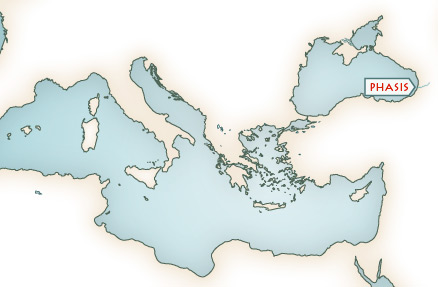
Argives: people from the ancient city of Argos, in Peloponnese Greece.
Golden Fleece: the woolen coat of a golden haired ram. The Argonauts and Jason quested for the fleece in order to put Jason on the throne of Iolcus.
Athena Polias: The patron and defender of Athens.
Argonauts: A group of heroes that accompanied Jason to Colchis in order to find the Golden Fleece.
Lines 10-20: The Argonaut's ship then traveled through the sea, and soon an eddy emerged and the Nereids emerged naked from the whirlpool. The Argonaut Peleus falls in love with Thetis, and Thetis' father acknowledges their love.
Nereids: Sea nymphs, which are often seen accompanying Poseidon. They are depicted in mythology as young, beautiful maidens, who often come to the aid of sailors and fishermen in peril on the seas.
Peleus: a hero who was the son of Aeacus, king of the Island of Aegina. He helped in the quest to obtain the golden fleece. In addition, he married Thetis and fathered Achilles.
Lines 20-29: These heroes are born in a desired time, for they are the kin of the Gods. Peleus was the top man of Thessaly, and was embraced by Thetis, the nymph granddaughter of Tethys and Oceanus.
Thessaly: a periphery in Greece. This was the area in which Jason and the Argonauts departed from in their quest to find the golden fleece.

Tethys: An aquatic sea goddess/titan. She is the wife of Poseidon, and is the mother of all of the rivers known to Ancient Rome. Considered the embodiment of waters.
Oceanus: the ocean, believed to be a massive river that encircled the world.
Lines 29-41: Then all of Thessaly came to the house of Peleus and Thetis to give gifts for their wedding. Everyone came from all around, and the hinterland was completely abandoned for the wedding; grapevines grew untrimmed and tools that were left out had accumulated rust.
Cieros:???
Phthiotic Tempe: a valley in Thessaly, between Mount Olympus and Mount Ossa through which the River Peneus flows.
Crannon: a city in the Larissa Prefecture of Greece.

Larisa: the capital city of the Thessaly periphery and the Larissa Prefecture of Greece.

Pharsalus: Greek town in Thessaly and is famous for for the famous battle in 48 BCE in which the Roman general Julius Caesar defeated his opponent Pompey the Great

Lines 41-51: Peleus' house as a result of this was very decorated inside and out, and silver and gold were seen almost everywhere. They were even given a marriage bed with hand carved depictions of heroes in ivory. But Theseus left Adriane as she watched him from the shores of Naxos departing.
Naxos:a Greek Island in the Cyclades Islands in the Aegean Sea.

Theseus: the founder/king of Athens, known for his epic quest to assume the royal rights of his late father while fighting off such foes as the Minotaur.
Adriadne: the daughter of King Minos, who ordered Theseus to fight the Minotaur. Adriadne gave Theseus a ball of sting so that he may find his way out after killing the Minotaur, and Theseus promised that if he was successful that he would take Adriadne back home. However, after he slain the Minotaur he abandoned her on the shore of Naxos.
Piraeus: a city in the peripherary of Attica, Greece
Crete: the largest Island of the Greek Islands

Lines 51-59: Her breasts hung out of her clothes as she stared angrily out at the sea. Her sad eyes looked out in a way that made her look perplexed, yet insane.
Lines 59-68: She remained on the shore, and her shirt was ripped off and fell into the ocean. She has abandoned her cloak, but Theseus has abandoned her when she needed him.
Lines 69-80: Adriane has been made mad by Venus ever since Theseus confronted King Minos to fight the Minotaur, when Minos swept fear over Athens for the death of his son.
Androgeon/Minotaur: Androgeon, the son of King Minos, was killed by Athenians. King Minos sought to wage war on Athens because of this, but it was suggested that 7 Athenian men and women would be sacrificed to the Minotaur instead.
Lines 80-90: Soon after Theseus confronted Minos, Adriadne fell in love with Theseus, but soon after the "flame" erupted into something much worse, perhaps obsessive.
Lines 90-110: Catullus starts to digress, mourning the incident and blaming Cupid and Venus for Adriane's loss. However, he also sympathizes Theseus, as he was bound to back out of the relationship.
Lines 110-118: Catullus reminds the reader that Adriadne abandoned nearly everybody she loved, including her loving mother and her sister, to be with Theseus, who promptly left her and broker her heart.
Phaedra: Adriadne's sister, and daughter to King Minos. She also happened to be the wife of Theseus later in mythology. Theseus dumped a woman named Hippolyta for Phaedra, but Phaedra ended up dumping Theseus for Hippolyta's own son, concieved also by Theseus.
Pasiphae: The mother of Phaedra and Adriadne to King Minos, and the daughter of Helios, the sun god. She was also the mother of the Minotaur, having mated with a while bull brought from Poseidon as a curse.
Line 118-193: It is said that Adriadne spoke madly to the sea, asking why Theseus would leave him and if there would be anything that would change his mind. She decides that no woman should accept any mans promise, for they are bound to break it just as Theseus did. She recalls everything she did for Theseus, regretting it all. She prays to Venus that Theseus may suffer the same pain that she did."
Syrtis: The Latin name for the Gulf of Gabes in the Mediterranean along the coast of Africa.
Scylla/Charybdis: Two monsters that inhabited the Strait of Messina, both monsters being on different sides of the strait.
Mt. Ida: Crete's highest mountain, sacred to the Goddess Rhea.
Furies: female chthonic deities of vengeance, or typically supernatural personifications of the wrath of the deceased.
Lines 193-202: As a result of her lamentation to Venus, the sky and the seas started to storm in supernatural power, as her wish would come true. This would descend to Theseus, who was sailing home to his father.
Lines 202-228: It is said that Aegeus, Theseus' father, told Theseus that he should hang a black said when coming home if he was not successful in killing the Minotaur, and yield a white sail if he was successful.
Aegeus: Theseus' father and a founder of Athens, who the Aegean Sea was named after because he committed suicide by jumping into the sea.
Erechtheus: also a founder and king of Athens
Lines 228-241: Theseus forgot to yield a white flag, and when Aegeus saw the black flag he would commit suicide in the sea. Adriade remained sad by the events which happened, but in the meantime Bacchus loved Adriane and sought her out.
Baccus: the personification of Dionysius, the god of wine and ritual madness
Satyrs: male followers of Dionysius.
Lines 241-253: Baccus emerged and professed his deep love to Adriadne, and the wild Maenads descended from the sky. They were characterized as carrying out odd rituals, in a way similar to a Dionysian cult.
Mt. Nysa: The traditional place where Dionysius was raised by rain nymphs

lines 253-275: The story ends with Adriadne and Baccus in love, presumably going to a Thassalian wedding. Catullus' description of the manead's music and the event starts to digress to another wedding of Peleus and Thetis.
Peleus: one of the argonauts, who fathered the hero Achilles with Thetis.
Penios: one of the 300 rivers/river gods of Tethys and Oceanus.
lines 275-287: Chiron attends the wedding, bearing fragrant flowers. After the guests of the wedding leave, the house starts to smell of the flower's purfume.
Penios also came, bringing gifts such as beech leaves, a popular, and a cypress.
Chiron: a centuar who is renowned for his intelligence and kindness, which was contrary to the behavior of other centuars. He was also a mentor of Achilles.
Doric: the dialect of the Dorians of ancient Greece.
Lines 287-304: Prometheus followed after Penios, and soon after other Gods came to the wedding. however, Apollo and his sister did not come, for she has spurned Peleus and did not want to celebrate Thetis' wedding.
Phaeton: a man in greek mythology that wanted to drive the sun chariot of his father Apollo. Instead, he lost control of it and crashed.
Prometheus: the God of fire and volcanoes, also associated with forging/blacksmithing, who created humans.
Apollo: god of music, song, poetry, archery, the youth, and many other things.
Idrus: a mountainous region in Asia Minor.

Lines 304-353: Jupiter and his wife sat on ivory chairs at the wedding, and plenty of good food was there to satisfy all. Then the Moirai emerged and uttered a song of divine incantation that stated that they would be very happy together over the years. They would yield a son, Achilles, who would be known for his strength across Greece, and would be known "not for his back but for his stallworth chest." He will smite many enemies in the Trojan War, and would be known at his enemies funerals for his strength.
Moirai: goddesses of fate who would determine each person their own fate. In this case, they determined Achilles' future fate.
Emathia: the earliest known poetic term for Macedonia, a region making up the Balkan Peninsula.

Achilles: a Greek Hero, concieved by Peleus and Thetis, who became a famous character in influencing the Trojan War.
Lines 353-381: The moirai also predict that King Priam's daughter will die, describing her funeral pyre. They start to sew thread, describing the thread as the crosshairs of life. They hope that Thetis and Peleus have a happy marriage together, while hoping that Thetis's nurse and Peleus' other relatives stay out of harming their relationship.
Phrygia: a kingdom located in Anatolia, which is now modern day Turkey.

Teucrian: pertaining to the Ancient Trojans, or someone who is Trojan
Pelops: the king of Pisa in the Peloponnesus, and founder of the House of Atreus. He was also venerated in Olympia.
Dardanelles: a narrow strait in northwestern Turkey, which connects the Sea of Marmara to the Aegean Sea.

Scamander: a river/river god, born to Oceanus and Tethys, who fought on the Trojan side of the Trojan war after the Greek Achilles insulted him. The Scamander river flows from Mt. Ida, and joins the Hellespont north of Troy.
King Priam: the king of Troy during the Trojan War. When his son Hector was killed by Achilles, he begged Achilles for Hector's body, which Achilles eventually returned to Priam.
Polyxena: a Trojan princess, daughter of King Priam.
Janus: the god of gates, doors, doorways, beginnings and endings. The month January is named after him.
Dionysius: ancient Greek god of wine, and the prime of ritual madness and ecstasy in Ancient Greece. Also believed to be one of the 12 Olympians.
Lines 382-294: The Moirai sang with divinity, which before could only be sought from the gods by disguising themselves as mortals and go to the houses of heroes. The father of the gods noticed a hundred bulls descending for the festive rights, while Dionysius finished conducting the Moirai.
Delphi: an ancient settlement in Greece in the valley of Phocis. In Greek Mythology, this place was a major worshiping site for the god Apollo. Also famous for having a very significant oracle, the Delphic Oracle.

Triton: a Greek god that served as a messenger of the sea. A river in Greece and a lake in northern Africa are named after him.

Lines 382-409: As the altars of gods issued smoke, people interpreted these signs wrongly and started to act very sinfully. Many horrible atrocities happened, such as brothers killing each other or sons refusing to acknowledge dead parents. As a result, the gods felt defiled and refused to come to our weddings ever since.
Wednesday, February 24, 2010
Blog Post idea
What is poetry?
Poetry is a literary pattern in which words are rhymed vocally or matched in significance, meaning that it can be versed and uniform or can have no rhyming pattern at all, but may have a consistent trait that links it to other poems ?(a haiku, for example).
Which do you prefer? Catullus or Horace? Why?
I prefer Catullus, because his style of poetry is more simplistic to me and is better understood in modern context, mainly because his stories can be interpreted more vaguely. His poetry often tells a simple story from a common person, and therefore is easier to relate to.
Do you think poetry should be given more or less attention in high school? Why?
I believe poetry should be given more attention to, because poetry is an important literary aspect for human art and spans past to ancient times. Poetry says alot about who we were and who we are, and is a good instrument in examining culture.
Poetry is a literary pattern in which words are rhymed vocally or matched in significance, meaning that it can be versed and uniform or can have no rhyming pattern at all, but may have a consistent trait that links it to other poems ?(a haiku, for example).
Which do you prefer? Catullus or Horace? Why?
I prefer Catullus, because his style of poetry is more simplistic to me and is better understood in modern context, mainly because his stories can be interpreted more vaguely. His poetry often tells a simple story from a common person, and therefore is easier to relate to.
Do you think poetry should be given more or less attention in high school? Why?
I believe poetry should be given more attention to, because poetry is an important literary aspect for human art and spans past to ancient times. Poetry says alot about who we were and who we are, and is a good instrument in examining culture.
Monday, February 22, 2010
six degrees of Ekphrasis with Kevin Bacon!
go from Bel Air Maryland to Tokyo Japan, stopping through Oslo, Norway.
Jimmy was a kid that was born with a birth defect that allowed him to jump uncontrollably through the world whenever he looked at a picture of a place. He lived in Bel Air, Maryland, and often had trouble getting back home. He was never able to watch TV, because whenever he watched anything he would instantly "jump" to wherever the film depicted. One day, when he walked into his apartment, his roommate was watching TV and he accidentally looked at it. It was broadcasting the news, about a police car chase. He instantly was inside the car of the carjacker, and the carjacker was driving through the inter loop. The carjacker noticed Jimmy and took an exit that would take him into the city. The carjacker managed to lose the cops, and swerved into a vacant alley and pulled Jimmy out of the car. Jimmy started to scream "Please don't kill me!" When the carjacker approached him with what looked like a knife case. Instead, he pulled out a voucher for owning apartments in Oslo, Norway. Jimmy knew his fate would be worse than being robbed; he was going to be made into buying a time share. But he was saved by looking at a picture of a dock in Oslo, and he instantly was there. Totally confused, he walked to the nearest television store in hoping to see an American add to get back home. Instead, the first add he saw was an add for a skin head concert that was running that day. He instantly teleported to the concert, where everyone was skinning each others heads. Some big guy grabbed him and shaved off all of his hair, and then a mosh pit started in the crowd. He was thrown into the action and was eventually crowd surfed to the front of the concert. The bouncers at the front of the crowd grabbed him and put him in a police car because they assumed he was smoking weed. He was sitting in the cop car, wondering how did this happen, when he looked at a picture of the cop with a big fish he caught in Long Island. He instantly jumped there, except he jumped the cop car too. He started to drive the Norway cop car through New York City, and noticed that everyone was driving segways. He saw a building that dealed segways, and after an hour of persuading with the dealer, managed to persuade the dealer to trade in the Oslo cop car for a segway. I examined the segway, impressed with what I had bought, until I noticed that the segway dealer was owned by Toyota. He jumped to Tokyo, Japan, near the Toyota factory. He then knew he had to go home, so he raced his new segway to the nearest television store. But the brake jammed, and he died going 100 miles an hour.
Jimmy was a kid that was born with a birth defect that allowed him to jump uncontrollably through the world whenever he looked at a picture of a place. He lived in Bel Air, Maryland, and often had trouble getting back home. He was never able to watch TV, because whenever he watched anything he would instantly "jump" to wherever the film depicted. One day, when he walked into his apartment, his roommate was watching TV and he accidentally looked at it. It was broadcasting the news, about a police car chase. He instantly was inside the car of the carjacker, and the carjacker was driving through the inter loop. The carjacker noticed Jimmy and took an exit that would take him into the city. The carjacker managed to lose the cops, and swerved into a vacant alley and pulled Jimmy out of the car. Jimmy started to scream "Please don't kill me!" When the carjacker approached him with what looked like a knife case. Instead, he pulled out a voucher for owning apartments in Oslo, Norway. Jimmy knew his fate would be worse than being robbed; he was going to be made into buying a time share. But he was saved by looking at a picture of a dock in Oslo, and he instantly was there. Totally confused, he walked to the nearest television store in hoping to see an American add to get back home. Instead, the first add he saw was an add for a skin head concert that was running that day. He instantly teleported to the concert, where everyone was skinning each others heads. Some big guy grabbed him and shaved off all of his hair, and then a mosh pit started in the crowd. He was thrown into the action and was eventually crowd surfed to the front of the concert. The bouncers at the front of the crowd grabbed him and put him in a police car because they assumed he was smoking weed. He was sitting in the cop car, wondering how did this happen, when he looked at a picture of the cop with a big fish he caught in Long Island. He instantly jumped there, except he jumped the cop car too. He started to drive the Norway cop car through New York City, and noticed that everyone was driving segways. He saw a building that dealed segways, and after an hour of persuading with the dealer, managed to persuade the dealer to trade in the Oslo cop car for a segway. I examined the segway, impressed with what I had bought, until I noticed that the segway dealer was owned by Toyota. He jumped to Tokyo, Japan, near the Toyota factory. He then knew he had to go home, so he raced his new segway to the nearest television store. But the brake jammed, and he died going 100 miles an hour.
Wednesday, February 17, 2010
25 point check
1.1
dono: 1st person singular present active indicative of dono "to give"
solebas: 2nd person singular imperfect active indicative of soleo "to be used"
esse: present active infinitive of sum "to be"
putare: present active infinitive of puteo "to think"
iam: 1st person singular future active indicative of eo "to go"
habe: 2nd person singular present active imperative of habeo "to have"
maneat: 3rd person singular present active subjunctive of maneo "to remain"
1.10
duxero: 3rd person singular present active indicative of duxo "to lead"
uenimus: 1st person plural present active indicative of uenimo
incidere: present active infinitive of incidero "to happen"
esset: 3rd person singular imperfect active subjunctive of sum "to be"
iam: 1st person singular future active indicative of eo "to go"
haberet: 3rd person singular imperfect active indicative of habeo "have"
profuisset: 3rd person singular present active subjunctive of prosum "benefit"
respondi: 1st person singular perfect active indicative of respondeo "answer"
erat: 3rd person singular imperfect active indicative of sum "be"
referret: 3rd person singular imperfect active subjunctive of refero "move"
irrumator: 2nd person singular future imperfect if irrumo "abuse"
faceret: 3rd person singular imperfect active subjunctive of facio "make"
inquiunt: 3rd person plural present active indicative of inquiam "say"
dicitur: 3rd person singular present passive indicative if dico "say"
facerem: 1st person singular imperfect active subjunctive of facio "make"
fuit: 3rd person singular perfect active indicative of sum "be"
incidisset: 3rd person singular pluperfect active subjunctive of incido "happen"
possem: 1st person singular imperfect active subjuncive of possum "be able"
parare: present active infinative of paro "supply"
ueteris: 2nd person singular present passive subjunctive of veto "prohibit"
collocare: present active infinative of coloco "to place"
posset: 3rd person singular imperfect active subjunctive of possum "be able"
decuit: 3rd person singular perfect active indicative of decet "be suited"
quaeso: 1st person singular present active indicative of quaeso "ask"
uolo: 1st person singular present active indicative of uolo "wish"
deferri: present passive infinative of defero "bring"
mane: 2nd person singular present active imperative of maneo "remain"
dixeram: 1st person singular pluperfect active indicative of dico "say"
habere: present active infinitive of habeo "have"
fugit: 3rd person singular present active indicative of fugio "flee"
parauit: 3rd person singular perfect active indicative of paro "prepare"
utor: 1st person singular present active indicative of utor "use"
molesta: 2nd person singular present active imperative of molesto "disturb"
dono: 1st person singular present active indicative of dono "to give"
solebas: 2nd person singular imperfect active indicative of soleo "to be used"
esse: present active infinitive of sum "to be"
putare: present active infinitive of puteo "to think"
iam: 1st person singular future active indicative of eo "to go"
habe: 2nd person singular present active imperative of habeo "to have"
maneat: 3rd person singular present active subjunctive of maneo "to remain"
1.10
duxero: 3rd person singular present active indicative of duxo "to lead"
uenimus: 1st person plural present active indicative of uenimo
incidere: present active infinitive of incidero "to happen"
esset: 3rd person singular imperfect active subjunctive of sum "to be"
iam: 1st person singular future active indicative of eo "to go"
haberet: 3rd person singular imperfect active indicative of habeo "have"
profuisset: 3rd person singular present active subjunctive of prosum "benefit"
respondi: 1st person singular perfect active indicative of respondeo "answer"
erat: 3rd person singular imperfect active indicative of sum "be"
referret: 3rd person singular imperfect active subjunctive of refero "move"
irrumator: 2nd person singular future imperfect if irrumo "abuse"
faceret: 3rd person singular imperfect active subjunctive of facio "make"
inquiunt: 3rd person plural present active indicative of inquiam "say"
dicitur: 3rd person singular present passive indicative if dico "say"
facerem: 1st person singular imperfect active subjunctive of facio "make"
fuit: 3rd person singular perfect active indicative of sum "be"
incidisset: 3rd person singular pluperfect active subjunctive of incido "happen"
possem: 1st person singular imperfect active subjuncive of possum "be able"
parare: present active infinative of paro "supply"
ueteris: 2nd person singular present passive subjunctive of veto "prohibit"
collocare: present active infinative of coloco "to place"
posset: 3rd person singular imperfect active subjunctive of possum "be able"
decuit: 3rd person singular perfect active indicative of decet "be suited"
quaeso: 1st person singular present active indicative of quaeso "ask"
uolo: 1st person singular present active indicative of uolo "wish"
deferri: present passive infinative of defero "bring"
mane: 2nd person singular present active imperative of maneo "remain"
dixeram: 1st person singular pluperfect active indicative of dico "say"
habere: present active infinitive of habeo "have"
fugit: 3rd person singular present active indicative of fugio "flee"
parauit: 3rd person singular perfect active indicative of paro "prepare"
utor: 1st person singular present active indicative of utor "use"
molesta: 2nd person singular present active imperative of molesto "disturb"
Tuesday, January 26, 2010
Catllus 1.1, 1.2a, 1.3, 1.5
1.1 Ad Cornelium
solebas: 2nd person singular imperfect active indicative of soleo "to be accustomed to"
esse: present active infinitive of sum "to be"
putare: present active infinitive of puto "to think"
iam: 1st person singular future active indicative of eo "to go"
explicare: present active infinitive of explico "to unfold"
habe: 2nd person singular present active imperative of habeo "to have"
maneat: 3rd person singular present active subjunctive of maneo "to remain"
Scansion of 1.1:
Whom do I give this delightful little book recently polished with a pumice stone? Cornelius: to you, because you are to go along with any of my trash. Now then, when you unfolded all of time in three sheets... learned by Jupiter, and painstaking! By these means you should have whatever is in this little book- while at any time, oh virgin protector, it will remain continual for much time.
Catullus 1.2a: Fletus Passeris Lesbiae
Sparrow, my favorite child, with who to play, who will be held on the bosom, who is in the habit of giving her best finger to be arousing sharp bites, when it pleases with shining with my favorites and joking to not know his pain's consolation,
solebas: 2nd person singular imperfect active indicative of soleo "to be accustomed to"
esse: present active infinitive of sum "to be"
putare: present active infinitive of puto "to think"
iam: 1st person singular future active indicative of eo "to go"
explicare: present active infinitive of explico "to unfold"
habe: 2nd person singular present active imperative of habeo "to have"
maneat: 3rd person singular present active subjunctive of maneo "to remain"
Scansion of 1.1:
Whom do I give this delightful little book recently polished with a pumice stone? Cornelius: to you, because you are to go along with any of my trash. Now then, when you unfolded all of time in three sheets... learned by Jupiter, and painstaking! By these means you should have whatever is in this little book- while at any time, oh virgin protector, it will remain continual for much time.
Catullus 1.2a: Fletus Passeris Lesbiae
Sparrow, my favorite child, with who to play, who will be held on the bosom, who is in the habit of giving her best finger to be arousing sharp bites, when it pleases with shining with my favorites and joking to not know his pain's consolation,
Tuesday, January 19, 2010
Columbia: Ancient Studies Department
Columbia has an extensive field in Ancient History. It is a course that is divided into 36 different points: Ancient history of Mesopotamia and Anatolia, Survey of ancient Greek history, 800–146 B.C., The Romans, 754–565 A.D., Greek art and architecture, Roman art and architecture, history of philosophy, I: pre-Socratics through Augustine, Introduction to the Hebrew Bible, Judaism in the time of Jesus, and Classical myth.
Wednesday, January 13, 2010
Latin 3 Big Thing (midterm)
Part 1: Scansion

Part 2: Translation
Horace 1.1
Maecenas is a great king, and is the defender of my virtues. His chariot's fiery wheels tread the earth of Olympus and pick up much dust as it carries its lord away to the gods; this, if his honor may dispute or confuse the fickle people of Rome threefold. This, if he may deposit in the Libyan store houses that have been swept empty. The axe of our ancestors still is dislodged into the Cypris trunk, as the sailor waits.
Horace 1.5
What many odors stream from the rose to the boy, Pyrrha, and in what manner?
Horace 1.11
There is no way for me (If I may), Luconi, to be tempted by our boundaries or the numerous Babylonians. There is no harm in our fathers! There are many who try Jupiter and find the boundaries of the heavens, as the Pumice stone resists the crashing of the Tyrrhenum sea, as often, this will stretch out for a long time. Therefore, I say this to you: sieze the day, for we know not of our fate tomorrow.
Sight Reading:
How Rhodopeius springs to overcome the winds
prophets weep, for they cannot test nor cast shadow on
and intends on descending with the Stynx river into Taenaria
which lifts the likeness of people to their graves
as its cheerless king attacked Persephone
the god of shadows strung up and beat the oracle
thus he says: "Oh, the god's place under the world is very clean
in which you fell, where mortals are made
if although their mouths deceive a lie
stopped at line 19
Bios of Horace, Ovid, Catullus:
Horace:
Horace was a lyric poet after the death of Julius Caesar, writing most of his works during Augustus' reign. He was born in the small town of Venusia to a freed slave, and moved to Rome early in his childhood. His dad was poor but managed to spend most of their excess money on Horace's education, which he commends his father for doing so. He fought as an officer of Brutus' army after Caesar's death, and fled when the army lost the Battle of Philippi. He was pardoned for fighting Octavian and went back to Rome, where he became a scribe for the treasury.
It was here that he was introduced into the writers circle of Virgil and soon after met Maecenas, whom he acquired an estate from in Rome. A famous saying that can be attributed to Horace and highlights on his philosophy is found in Odes 1.11. "carpe diem, quam minimum credula postero" can be translated into "sieze the day, for you can trust little in tomorrow." I chose this line because it is commonly used today as an aphorism for everyday life, and is an appropriate thing for Horace to believe in.
http://en.wikipedia.org/wiki/Odes_(Horace)
http://www.epicurus.net/en/carpediem.html
http://www.globusz.com/ebooks/TwelveCaesars/00000029.htm
Ovid:
Publius Naso was a famous Roman poet probably best known for love poems and his gathering of poems in his works "Metamorphoses." He was born in Sulmo to a wealthy equestrian family, and his parents sought him to pursue a career in law and rhetoric. However, Ovid was more emotional and wished to do poetry instead, so he left to travel to many places, including Sicily. He wrote many love poens during his life in Rome, including some controversial works (such as how to cheat on a spouse) and an encyclopedia of mythological stories.
Because of the nature of his writings, Augustus banned Ovid from Rome and had him exiled to Tomis, where he wold spend the rest of his life writing depressing poetry expressing his feelings of isolation. I think a good quote to sum up Ovid's writings is "love is a kind of warfare," because it illustrates the adulterous life that Ovid lived through.
http://www.loggia.com/myth/ovid.html
http://classics.mit.edu/Ovid/metam.html
http://www.goodreads.com/quotes/show/65609
Structural Analysis:
Medieval and Classical Latin are both forms of latin that were instrumental in writing the bible, but they have some major differences that distinguish the two. Medieval Latin was used primarily in the Middle Ages as a mode of scholarly accounting between the church, in addition to law and literature. Classical Latin was used before Medieval Latin was, and can usually be distinguished in differences in Orthography. Jerome composed the Vulgate of Medieval Latin, and through the nativity stories one can see that angels and messengers may be interpreted differently in the different accounts of the gospel. Through this, the reader can assume that angels can be seen as messengers of God that bring divine will to Earth.
The plot of the nativity scene can show the angel's appearance into the Bible, but leaves the reader to further interpret the meaning of it and how it is portrayed as a messanger. During Joseph's sleep, he pondered if he should leave his wife Mary because she was pregnant. But an angel appeared to him and told him not to fear, for the baby was concieved of the holy spirit. When Joseph rose, he came to Mary and told her that the baby would be called Jesus.
http://www.earlychristianwritings.com/text/matthew-asv.html

Part 2: Translation
Horace 1.1
Maecenas is a great king, and is the defender of my virtues. His chariot's fiery wheels tread the earth of Olympus and pick up much dust as it carries its lord away to the gods; this, if his honor may dispute or confuse the fickle people of Rome threefold. This, if he may deposit in the Libyan store houses that have been swept empty. The axe of our ancestors still is dislodged into the Cypris trunk, as the sailor waits.
Horace 1.5
What many odors stream from the rose to the boy, Pyrrha, and in what manner?
Horace 1.11
There is no way for me (If I may), Luconi, to be tempted by our boundaries or the numerous Babylonians. There is no harm in our fathers! There are many who try Jupiter and find the boundaries of the heavens, as the Pumice stone resists the crashing of the Tyrrhenum sea, as often, this will stretch out for a long time. Therefore, I say this to you: sieze the day, for we know not of our fate tomorrow.
Sight Reading:
How Rhodopeius springs to overcome the winds
prophets weep, for they cannot test nor cast shadow on
and intends on descending with the Stynx river into Taenaria
which lifts the likeness of people to their graves
as its cheerless king attacked Persephone
the god of shadows strung up and beat the oracle
thus he says: "Oh, the god's place under the world is very clean
in which you fell, where mortals are made
if although their mouths deceive a lie
stopped at line 19
Bios of Horace, Ovid, Catullus:
Horace:
Horace was a lyric poet after the death of Julius Caesar, writing most of his works during Augustus' reign. He was born in the small town of Venusia to a freed slave, and moved to Rome early in his childhood. His dad was poor but managed to spend most of their excess money on Horace's education, which he commends his father for doing so. He fought as an officer of Brutus' army after Caesar's death, and fled when the army lost the Battle of Philippi. He was pardoned for fighting Octavian and went back to Rome, where he became a scribe for the treasury.
It was here that he was introduced into the writers circle of Virgil and soon after met Maecenas, whom he acquired an estate from in Rome. A famous saying that can be attributed to Horace and highlights on his philosophy is found in Odes 1.11. "carpe diem, quam minimum credula postero" can be translated into "sieze the day, for you can trust little in tomorrow." I chose this line because it is commonly used today as an aphorism for everyday life, and is an appropriate thing for Horace to believe in.
http://en.wikipedia.org/wiki/Odes_(Horace)
http://www.epicurus.net/en/carpediem.html
http://www.globusz.com/ebooks/TwelveCaesars/00000029.htm
Ovid:
Publius Naso was a famous Roman poet probably best known for love poems and his gathering of poems in his works "Metamorphoses." He was born in Sulmo to a wealthy equestrian family, and his parents sought him to pursue a career in law and rhetoric. However, Ovid was more emotional and wished to do poetry instead, so he left to travel to many places, including Sicily. He wrote many love poens during his life in Rome, including some controversial works (such as how to cheat on a spouse) and an encyclopedia of mythological stories.
Because of the nature of his writings, Augustus banned Ovid from Rome and had him exiled to Tomis, where he wold spend the rest of his life writing depressing poetry expressing his feelings of isolation. I think a good quote to sum up Ovid's writings is "love is a kind of warfare," because it illustrates the adulterous life that Ovid lived through.
http://www.loggia.com/myth/ovid.html
http://classics.mit.edu/Ovid/metam.html
http://www.goodreads.com/quotes/show/65609
Structural Analysis:
Medieval and Classical Latin are both forms of latin that were instrumental in writing the bible, but they have some major differences that distinguish the two. Medieval Latin was used primarily in the Middle Ages as a mode of scholarly accounting between the church, in addition to law and literature. Classical Latin was used before Medieval Latin was, and can usually be distinguished in differences in Orthography. Jerome composed the Vulgate of Medieval Latin, and through the nativity stories one can see that angels and messengers may be interpreted differently in the different accounts of the gospel. Through this, the reader can assume that angels can be seen as messengers of God that bring divine will to Earth.
The plot of the nativity scene can show the angel's appearance into the Bible, but leaves the reader to further interpret the meaning of it and how it is portrayed as a messanger. During Joseph's sleep, he pondered if he should leave his wife Mary because she was pregnant. But an angel appeared to him and told him not to fear, for the baby was concieved of the holy spirit. When Joseph rose, he came to Mary and told her that the baby would be called Jesus.
http://www.earlychristianwritings.com/text/matthew-asv.html
Monday, January 11, 2010
Horace Extra Credit for Exam
1.) ID + Parse all verbs in 1.1, 1.3, 1.11, 1.37
edite: 2nd person plural present active imperative of edo "to eat, devour"
sunt: 3rd person plural present active indicative of sum "to be"
collegisse: perfect active infinitive of colligo "to collect"
iuuat: 3rd person singular present active indicative of juvo "to help"
euehit: 3rd person singular present active indicative of eveho "to carry away"
certat: 3rd person singular present active indicative of certo "to contend"
line 7
edite: 2nd person plural present active imperative of edo "to eat, devour"
sunt: 3rd person plural present active indicative of sum "to be"
collegisse: perfect active infinitive of colligo "to collect"
iuuat: 3rd person singular present active indicative of juvo "to help"
euehit: 3rd person singular present active indicative of eveho "to carry away"
certat: 3rd person singular present active indicative of certo "to contend"
line 7
Examples of both Medieval and Classical Latin Authors
Authors of Medieval Latin:
1) Peter of Pisa (d. 799)
2) Einhard (775-840)
3) The Archpoet (fl. 1159–1167)
4) Roger Bacon (c. 1214–1294)
5) Jerome (c. 347–420)
6) Augustine (354-430)
7) St. Boniface (c. 672 - 754)

Authors of Classical Latin:
1) Publius Valerius Cato (1st century BC), poet, grammarian
2) Marcus Tullius Cicero (106 BC — 43 BC), orator, philosopher, correspondent
3) Gaius Octavius Caesar (63 BC — 14 AD), Augustus, Emperor, poet
4) Lucius Annaeus Seneca (4 BC — 65 AD), educator, imperial advisor, man of letters
5) Marcus Fabius Quintilianus (35 AD — 100 AD), rhetorician
6) Lucius Cestius Pius (1st century BC & AD), Latin educator
7) Publius Ovidius Naso (43 BC — 18 AD), poet
http://www2.latech.edu/~bmagee/latin/wright/wright_links_to_stories.htm
http://www.gutenberg.org/etext/7525
1) Peter of Pisa (d. 799)
2) Einhard (775-840)
3) The Archpoet (fl. 1159–1167)
4) Roger Bacon (c. 1214–1294)
5) Jerome (c. 347–420)
6) Augustine (354-430)
7) St. Boniface (c. 672 - 754)

Authors of Classical Latin:
1) Publius Valerius Cato (1st century BC), poet, grammarian
2) Marcus Tullius Cicero (106 BC — 43 BC), orator, philosopher, correspondent
3) Gaius Octavius Caesar (63 BC — 14 AD), Augustus, Emperor, poet
4) Lucius Annaeus Seneca (4 BC — 65 AD), educator, imperial advisor, man of letters
5) Marcus Fabius Quintilianus (35 AD — 100 AD), rhetorician
6) Lucius Cestius Pius (1st century BC & AD), Latin educator
7) Publius Ovidius Naso (43 BC — 18 AD), poet
http://www2.latech.edu/~bmagee/latin/wright/wright_links_to_stories.htm
http://www.gutenberg.org/etext/7525
Friday, January 8, 2010
The Vulgate

The Vulgate is a 5th-century Latin translation of the Bible, composed mainly by Jerome, and was commissioned by Pope Damasus I in 382 to revise old Latin translations.
This translation became widely accepted and used by the Catholic church, and it's rich usage of Latin makes it a great source to translate. The Vulgate was also one of the most influential forces effecting culture and society in the Middle Ages. During the Renaissance and Reformation, St. Jerome's translation of the bible stood as a last pillar of Roman glory and the bedrock of the Roman church as it strove to unite Europe through Catholic faith.
http://www.perseus.tufts.edu/hopper/text?doc=Perseus:text:1999.04.0059:entry=vulgo2
Difference between Medieval Latin and Ancient Latin

Medieval Latin the type of Latin utilized in the Middle Ages, primarily as a medium of scholarly conversation and as the liturgical language of the medieval Roman Catholic Church. It was also used in many cases as a language of literature, law, and science.It had a large vocabulary that frequently borrowed from other languages. Some of the most notable differences between Classical and Medieval Latin are found in Orthography. Examples include:
1.) The diphthong ae is usually written as e (or e caudata, e); for example, puellae might be written puelle. The same happens with the diphthong oe, for example in pena, Edipus, from poena, Oedipus. This feature is already found on coin-inscriptions of the fourth century. Conversely an original "e" in Classical Latin was often represented by "ae" or "oe."
2.) Because of a severe decline of the knowledge of Greek, in loanwords and foreign names from or transmitted through Greek, y and i might be used more or less interchangeably: Ysidorus, Egiptus, from Isidorus, Aegyptus. This is also found in pure Latin words: ocius ('more swiftly') appears as ocyus and silva as sylva, this last being a form which survived into the eighteenth century and so became embedded in modern botanical Latin.
3.) h might be lost, so that habere becomes abere, or mihi becomes mi (the latter also occurred in Classical Latin); or, mihi may be written michi, indicating the h came to be pronounced as k, which is its pronunciation even today in Ecclesiastical Latin(this pronunciation is not found in Classical Latin).
http://en.wikipedia.org/wiki/Medieval_Latin
http://web.maths.unsw.edu.au/~jim/mental.pdf
Subscribe to:
Posts (Atom)